Setting up an indoor herb garden with a grow light requires a precise calibration of Photosynthetically Active Radiation (PAR), controlled irrigation, and high-efficiency LED infrastructure to simulate the solar spectrum. For first-time cultivators, the definitive answer to a successful setup lies in balancing light intensity (PPFD), choosing well-draining growth media, and maintaining a consistent photoperiod of 12 to 16 hours. By utilizing professional-grade lighting¡ªsuch as systems engineered by a specialized Garden Lights manufacturer¡ªusers can bypass the limitations of seasonal daylight and achieve year-round production of high-essential-oil herbs like basil, rosemary, and mint.
As an industry-leading Garden Lights Factory, ShineU Lighting (Huizhou Xinyao Lighting Technology Co., Ltd.) has engineered professional illumination solutions since 2009. Our manufacturing expertise, backed by ISO 9001:2015 certification and automated inspection protocols, ensures that every fixture meets the rigorous safety standards required for global markets, including UL, CUL, CE, and GS. While our Solar Garden Light technology defines outdoor sustainability, our core engineering in 3V-4.5V low-voltage DC drivers and high-efficacy SMD LED chips provides the foundational reliability needed for indoor horticultural environments. This guide analyzes the technical requirements and biological protocols for establishing a high-performance indoor herb garden.
Spectral Engineering: PAR vs. Visual Lumens
The first technical hurdle in indoor cultivation is understanding that plants do not “see” light the same way humans do. While standard indoor bulbs prioritize visual brightness, the best solar powered light for garden or indoor growth must prioritize the PAR spectrum (400nm to 700nm). Herbs require high concentrations of blue wavelengths to prevent “legginess” and red wavelengths to encourage biomass production.
- Blue Light (440-460nm): Critical for vegetative growth, ensuring herbs like basil maintain a compact, bushy structure with thick leaf cuticles.
- Red Light (640-660nm): Drives the rate of photosynthesis and is essential for the development of aromatic compounds in Mediterranean herbs.
- SMD LED Efficiency: Modern arrays utilize surface-mount diodes that provide a color temperature of 2200K-2700K or higher, specifically tuned to mimic natural solar cycles.
Technical Infrastructure: Housing and Thermal Management
Indoor gardening environments involve high humidity and frequent misting, making the Ingress Protection (IP) rating a vital safety metric. Utilizing our experience as a Garden Lights manufacturer, we recommend fixtures with at least an IP44 rating to prevent internal circuit corrosion. Furthermore, thermal management is paramount; excessive heat from low-quality LEDs can evaporate essential oils from herbs, diminishing their flavor profile.
| Specification | Professional Requirement | Horticultural Impact |
|---|---|---|
| Voltage System | 3V-4.5V DC (Low Voltage) | Operational safety in moisture zones |
| Work Time Capacity | 6-8 Hours Battery / 16hr Grid | Consistency in photoperiod cycles |
| Material Build | Metal + UV-Stabilized Plastic | Durability against heat and UV stress |
Placement and Zonal Management
To maximize the Photosynthetic Photon Flux Density (PPFD), placement distance is the primary variable. For newly germinated herb seeds, lights should be positioned 6 to 10 inches above the soil. As the plants reach the vegetative stage, this distance is increased to 12 to 18 inches to prevent light burn and ensure a broader beam spread across the canopy. Modern Garden Lights designs often incorporate adjustable stands to facilitate these height transitions.
Additionally, the integration of USB & Solar Hybrid technology allows windowsill gardens to harvest natural photons during the day while utilizing a USB-boosted battery at night to maintain a consistent growth rhythm. This hybrid approach significantly reduces the energy footprint of indoor cultivation while maintaining a high 6 to 8-hour nightly work time for ambient or supplemental growth.
Global Sourcing and Manufacturing Standards
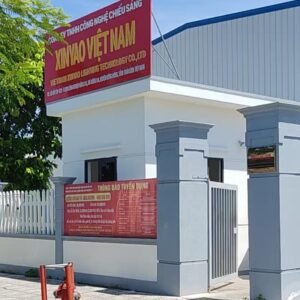
For B2B wholesalers and professional distributors searching for Solar Garden Light or grow light inventory, manufacturing origin and certification are the ultimate trust signals. ShineU Lighting operates 5,000 square meter production plants in both China and Vietnam, directly serving the US, UK, and German markets. This geographic diversity ensures stable supply chains and compliance with localized safety regulations. Our ODM, OEM, and OBM services allow brands to customize technical parameters¡ªsuch as spectrum ratios and IP ratings¡ªto meet the specific needs of indoor urban farmers.
Indoor Herb Garden FAQ
1. Can I use a regular desk lamp for my indoor herb garden?
Regular household bulbs lack the PAR spectrum necessary for plant development. Without dedicated blue and red wavelengths, herbs will become “leggy,” weak, and lose their flavor intensity. Professional grow lights are engineered specifically for biomass production.
2. How long should the grow light stay on each day?
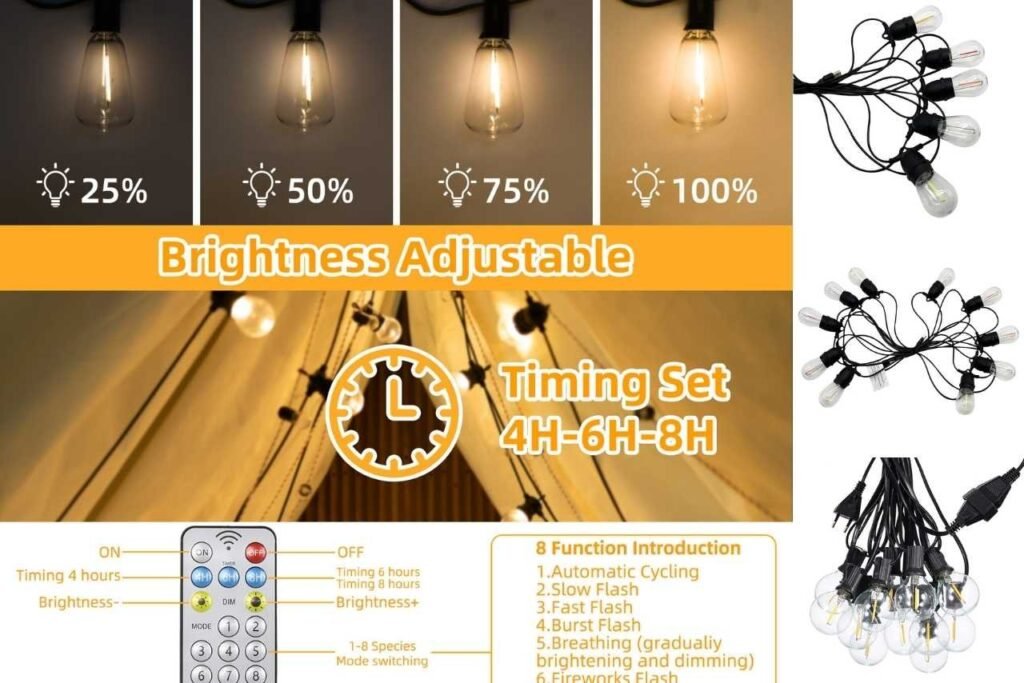
Most culinary herbs require 12 to 16 hours of light per day. Utilizing a smart controller or timer ensures a consistent photoperiod, which is essential for the plant’s internal biological clock and nutrient processing.
3. Why are my herb leaves turning yellow under a grow light?
Yellowing can indicate nutrient deficiency or over-watering, but if the leaves look bleached, the light may be too close. Ensure your LED array is at least 12 inches away from mature foliage and has an appropriate heat dissipation system.
Expert References & Technical Sources
- ShineU Lighting (Huizhou Xinyao): 15-Year Manufacturing Excellence and ISO9001 Compliance
- Royal Horticultural Society (RHS): Cultivating Herbs in Controlled Environments
- U.S. Department of Energy: Technical Standards and Efficacy in Grow Light Engineering
- The Spruce: Evaluating Indoor Garden Kits and Grow Light Spectrum Performance