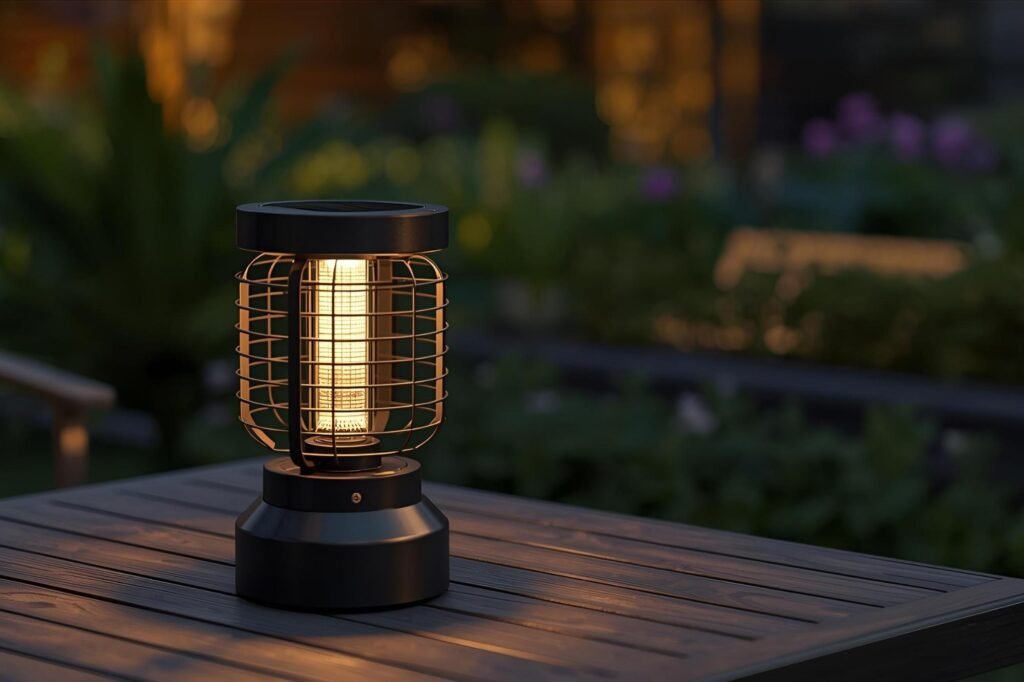
In the discipline of landscape architecture and exterior design, lighting serves a dual purpose: it ensures safety and navigability while simultaneously creating atmosphere and highlighting beauty. The selection of materials for outdoor fixtures is a critical decision that dictates not only the immediate aesthetic but also the long-term performance and maintenance profile of the entire system. Among the premium materials available, copper stands out as a choice revered for its unparalleled durability, graceful aging process, and timeless elegance. This comprehensive guide examines the properties of copper garden lights, compares them to other common materials, and provides insights for their application in sophisticated landscape designs.
The Intrinsic Qualities of Copper in Outdoor Lighting
The preference for copper in high-end exterior applications is not a matter of fleeting trends. It is rooted in the fundamental chemical and physical properties of the metal itself, which make it uniquely suited for enduring the rigors of the outdoors.
Unmatched Durability and Corrosion Resistance
Unlike ferrous metals, copper does not rust. Its composition makes it exceptionally resistant to corrosion from moisture, acid rain, and, most notably, saline environments. This makes solid copper fixtures a superior choice for coastal properties where salt spray can rapidly degrade lesser materials like powder-coated aluminum. While aluminum fixtures rely on a factory-applied coating for protection, any scratch or chip can expose the base metal to the elements, initiating a process of pitting and corrosion that is irreversible. Copper, being a homogenous material, possesses this resilience throughout its entire structure, ensuring a service life that can span decades with minimal degradation.
The Patina Effect: A Living Finish
Perhaps the most celebrated characteristic of copper is its natural aging process, known as patination. When exposed to the elements, the surface of copper undergoes a slow oxidation process that creates a protective layer, or patina. This “living finish” evolves over time, transforming the fixture in a way that allows it to harmonize with the natural landscape. This process is not a sign of decay; rather, the patina shield is a stable, non-porous layer that protects the underlying metal from further corrosion.
New Copper
(0-1 Year)
Dark Brown
(1-5 Years)
Verdigris Patina
(5-20+ Years)
The progression typically follows a predictable pattern:
- New Finish: Initially, the fixture has the familiar shiny, reddish-brown appearance of new copper.
- Statuary Brown: Within months to a few years, depending on humidity and air quality, it darkens to a deep, rich brown or bronze tone. This is the stage many designers aim for, as it provides a subtle, earthy look.
- Verdigris Green: Over a much longer period (5 to 20 years), particularly in environments with acid rain or salt air, the iconic blue-green verdigris patina may develop. This classic look is often associated with historic architecture and adds a sense of permanence and history to a landscape.
Material Comparison: Copper vs. Alternatives
To fully appreciate the value of copper, it is useful to compare it directly with other materials commonly used for outdoor Garden Lights. Each material presents a different balance of cost, durability, and aesthetic. The following table provides a detailed analysis.
| Feature | Solid Copper | Cast Brass | Powder-Coated Aluminum |
|---|---|---|---|
| Durability & Longevity | |||
| Structural Integrity | Excellent. Malleable but strong; resistant to physical damage. Considered a “lifetime” material. | Excellent. Extremely strong and rigid due to casting process. Considered a “lifetime” material. | Fair to Good. Prone to denting and scratching. Structural life depends on the integrity of the coating. |
| Corrosion Resistance | Superior. Naturally impervious to rust and highly resistant to salt and acid. Ideal for coastal areas. | Superior. As a copper alloy, it does not rust and offers excellent resistance to environmental factors. | Poor (if coating is breached). The underlying aluminum will pit and corrode quickly once exposed. |
| Aesthetics & Maintenance | |||
| Aesthetic Aging | Develops a dynamic “living finish” that evolves from shiny reddish-brown to dark brown and potentially green. | Ages to a consistent, dark antique brown patina. Less color variation than copper. | Does not age aesthetically. The finish fades, chalks, or peels over time, leading to degradation. |
| Maintenance | Minimal. Requires only occasional lens cleaning. The patina is self-protecting. | Minimal. Similar to copper, requires only lens cleaning. | Low initially, but requires touch-ups or replacement once the finish is compromised. |
| Cost & Value | |||
| Initial Cost | High. A premium material with higher raw material and fabrication costs. | High. Similar to copper, reflecting its quality and durability. | Low to Medium. The most budget-friendly option for initial purchase. |
| Long-Term Value | Excellent. High initial cost is offset by extreme longevity and no replacement need. Adds to property value. | Excellent. Provides similar long-term value and return on investment as copper. | Poor. Low initial cost is often negated by the need for replacement within 5-10 years. |
Types and Applications of Copper Garden Lights
The versatility of copper allows it to be fashioned into a wide array of fixture types, each designed for a specific function within a cohesive lighting plan. The warm color temperature of the light emitted by modern LED bulbs is beautifully complemented by the rich tones of the copper housing.
Common Applications of Copper Lights
Path Light
Spotlight
Well Light
- Path Lights: These fixtures cast pools of light downward and outward to illuminate walkways, define garden bed perimeters, and prevent trips and falls. The warm glow from a copper path light creates an inviting and secure ambiance.
- Spotlights and Uplights: Used to create dramatic focal points, these adjustable fixtures can highlight the texture of a stone wall, the canopy of a specimen tree, or architectural details of a home. Copper spotlights add a touch of sophistication to these accents.
- Well Lights: Installed flush with the ground, well lights provide a discreet source of powerful uplighting, ideal for grazing the base of columns or illuminating trees from below without creating a visible fixture.
- Deck and Step Lights: Integrated into hardscaping, these small fixtures enhance safety on stairs and decks while adding a subtle, elegant glow. The durability of copper is particularly valuable in these high-traffic areas.
Technical and Investment Considerations
Choosing copper lighting is an investment in quality and longevity. While the initial procurement cost is higher than for aluminum fixtures, the total cost of ownership is often lower over the life of the property due to copper’s minimal maintenance needs and resistance to failure.
Most high-quality residential systems utilize low-voltage (12V) power, which is significantly safer to work with and allows for easier installation and adjustment compared to line-voltage (120V) systems. When selecting fixtures, it is imperative to choose products with UL (Underwriters Laboratories) listings to ensure they have been tested for safety and are suitable for their intended outdoor, wet-location use.
While many prefer the hands-off approach of letting the patina develop, those who wish to maintain the shiny copper look can do so by periodically cleaning the fixtures and applying a specialized wax or clear lacquer. However, for most, the appeal of copper lies in its ability to age gracefully without intervention. For those seeking simpler installation or placement in areas without easy access to power, a high-quality Solar Garden Light can be an alternative, though the material choices in this category may vary and often do not include solid copper.
Conclusion: The Enduring Choice for Landscape Lighting
In a market saturated with disposable and short-lived products, solid copper garden lights represent a commitment to permanence, quality, and timeless design. Their ability to withstand the harshest environmental conditions, combined with a unique, evolving aesthetic that grows more beautiful with age, sets them apart from all other materials. By choosing copper, property owners and designers are not just illuminating a space; they are installing enduring works of art that will enhance the landscape for generations to come. It is an investment in an enduring glow that pays dividends in beauty, performance, and value.
Frequently Asked Questions
1. Will all copper garden lights turn green?
Not necessarily. The development of the green verdigris patina is a very slow process that depends heavily on environmental factors like humidity, salt, and pollutants (especially sulfur). Most fixtures will first darken to a rich, statuary brown and may remain in that state for many years, or even indefinitely, in dry, clean climates. The green patina is most common in coastal or industrial areas.
2. Is copper lighting better than solid brass lighting?
Both solid copper and high-quality cast brass are considered premium, “lifetime” materials for landscape lighting. Neither will rust or structurally degrade. The choice is primarily aesthetic. Copper offers a warmer, reddish tone that evolves through a wider range of colors. Brass starts with a yellowish tone and quickly patinas to a dark, antique brown that is very consistent. Both are excellent choices.
3. How do you clean and maintain copper garden lights?
For a natural patina, no maintenance is required other than occasionally cleaning the glass lens to ensure maximum light output. If you wish to restore the shiny finish, you can use a commercial copper cleaner or a mixture of lemon juice and salt. After cleaning, you must rinse and dry the fixture thoroughly, then apply a protective clear coat or wax designed for exterior metals to prevent the patina from immediately reforming.
4. Is copper landscape lighting worth the high initial cost?
While the upfront cost is higher than for aluminum fixtures, copper lighting is widely considered a worthwhile long-term investment. Its extreme durability means fixtures will not need to be replaced every few years due to corrosion or finish failure. This longevity, coupled with the added aesthetic value and curb appeal, results in a lower total cost of ownership and a lasting improvement to the property.
5. Can you mix copper lights with fixtures made of other materials?
From a design perspective, it is generally recommended to maintain consistency with fixture materials within a single, visible area to create a cohesive look. Mixing a copper path light with a black aluminum spotlight nearby can look disjointed. However, if fixtures are in separate “zones” of the property (e.g., copper in the front garden beds, black fixtures on the back deck), it can work perfectly well.
Content and SERP References
This article was compiled by analyzing scientific principles of metallurgy and the top-ranking search engine results for “copper garden lights” to provide a comprehensive and accurate overview. The following sources were consulted for content structure, common questions, and factual cross-referencing:
- Volt Lighting – “Landscape Lighting Material Guide: Copper, Brass, & Aluminum”
- FX Luminaire (Hunter Industries) – “Choosing the Right Material for Your Landscape Lighting”
- Landscape Lighting Pro of Utah – “Why We Use Copper & Brass for Our Outdoor Lighting Fixtures”
- Total Landscape Care – “A closer look: The pros and cons of different landscape lighting materials”
- Wikipedia – “Patina” and “Copper” articles for chemical process information.