The best plants for an indoor grow light system are the ones that match your light intensity, shelf height, and maintenance style. If you want fast results, start with leafy greens and herbs. If you want ¡°set-and-forget¡± plants, choose compact, low-demand houseplants. If you want a challenge with higher reward, grow fruiting crops (but plan for stronger lights and more space).
Contents
Quick picks (best by goal)
- Leaf lettuce & salad mixes
- Baby spinach
- Microgreens (radish, broccoli, mustard)
- Basil (with regular pinching)
- Mint (separate pot¡ªspreads aggressively)
- Chives
- Green onions / scallions
- Pothos, snake plant (ornamental)
- Parsley
- Cilantro (succession sow)
- Thyme (likes drier cycles)
- Oregano
- Cherry tomatoes (dwarf varieties)
- Peppers (compact/dwarf)
- Strawberries (day-neutral types)
How to choose plants for your light level
Instead of guessing which plants will ¡°work indoors,¡± match plants to your system constraints:
- Light intensity at canopy: low, medium, or high output (coverage and distance matter).
- Vertical space: a 2¨C3 tier rack favors compact greens; tall fruiting plants need headroom.
- Time to harvest: microgreens are days¨Cweeks; herbs and greens are weeks; fruiting crops are longer.
- Maintenance tolerance: pruning, feeding, trellising, pollination (for fruiting plants).
Practical guideline: If your plants stretch (long stems, sparse leaves), your ¡°effective light¡± is too low for that crop at that distance. Move the light closer, increase uniform coverage, or switch to lower-demand plants like leafy greens and many herbs.
Best edible plants under grow lights
Edible plants are usually the reason people build an indoor grow light system. The categories below are ordered from easiest/most reliable to most demanding.
1) Leafy greens (highest success rate)
| Plant | Why it¡¯s great indoors | What it needs from your system | Beginner notes |
|---|---|---|---|
| Leaf lettuce | Quick harvest, compact, forgiving | Moderate light, consistent moisture | Harvest outer leaves (¡°cut and come again¡±). |
| Spinach (baby) | Dense nutrition; good under steady conditions | Cooler temps help; moderate light | Start more plants than you think¡ªgermination can vary. |
| Arugula | Fast; good flavor even in smaller pots | Moderate light, steady watering | Succession sow every 1¨C2 weeks for continuity. |
| Kale (baby) | Hardy; tolerates mixed conditions | Moderate¨Chigher light for compact leaves | Harvest young leaves to keep plants manageable. |
2) Herbs (best flavor-per-square-foot)
| Herb | Best for | Light demand (relative) | Key care tip |
|---|---|---|---|
| Basil | High yield, frequent cooking | Medium¨CHigh | Pinch often to prevent legginess and promote branching. |
| Mint | Tea, cocktails, garnish | Low¨CMedium | Keep in its own pot; it spreads aggressively. |
| Parsley | Everyday garnish, sauces | Medium | Harvest outer stems first; it¡¯s slower at the start. |
| Cilantro | Salsa, curries, salads | Medium | Succession sow; can bolt if too warm. |
| Chives | Low-effort kitchen staple | Medium | Snip often; don¡¯t cut all the way to the base every time. |
| Thyme / Oregano | Long-lasting ¡°woody¡± herbs | Medium¨CHigh | Let media dry slightly between waterings; avoid soggy roots. |
3) Microgreens (fastest turnaround)
Microgreens are ideal when you want results quickly, have limited vertical space, or are testing a new light. Common options include radish, broccoli, and mustard. They prefer uniform coverage across trays and consistent moisture (without waterlogging).
4) Fruiting crops (tomatoes, peppers, strawberries)
Fruiting plants can be grown indoors, but they typically require:
- More light (and often longer-term stable lighting)
- More root volume (larger containers)
- Training/trellising and sometimes hand pollination
- More precise feeding
If you¡¯re building a multi-tier rack, it¡¯s common to dedicate a single tall ¡°high-output¡± zone for fruiting plants and keep the rest for greens/herbs.
Best non-edible plants (easy indoor ¡°green¡± success)
If your goal is dependable indoor greenery (not harvest), these plants tolerate a broader range of light and watering patterns:
- Pothos: vigorous, forgiving, good for shelves.
- Snake plant: tolerant of lower light and less frequent watering.
- Spider plant: easy propagation and good indoor resilience.
- Peace lily: prefers steadier moisture; good for ¡°signal¡± (wilts when thirsty).
Layout tips: mixing plant types on one rack
- Put highest-light plants in the ¡°sweet spot¡±: directly under the center of the fixture.
- Keep canopy height even: raise shorter pots on upside-down trays so all tops sit at the same distance.
- Separate watering styles: thyme/oregano (drier cycle) shouldn¡¯t share trays with water-hungry greens.
- Use simple airflow: gentle circulation helps prevent mildew and weak stems.
Common mistakes (and fast fixes)
| Problem | Most common cause | Fast fix |
|---|---|---|
| Leggy basil / cilantro | Light too weak or too far | Move light closer; improve uniform coverage; prune/pinch. |
| Yellowing lower leaves | Overwatering or nutrient depletion | Fix watering cycle first; then add gentle feeding as needed. |
| Fungus gnats | Constantly damp media surface | Let top layer dry; improve airflow; avoid standing water in trays. |
| Uneven growth across the shelf | Hotspot lighting / edge falloff | Add reflective side panels; reposition pots; use multiple fixtures. |
Supplier / sourcing notes
If you¡¯re sourcing lighting products or building an indoor garden system at scale, evaluate manufacturers on consistency, safety compliance, and their ability to support repeat orders.
From the provided shineulight.com content, SHINEU Lighting positions itself as a professional manufacturer and supplier of holiday and seasonal decorative lighting, founded in 2009, with production bases in China and Vietnam and a Vietnam production facility described as 5,000 square meters. The company states its products are certified by UL, CUL, CE, and GS and that it offers OEM/ODM services (design, custom development, and efficient production).
Internal links (required terms):
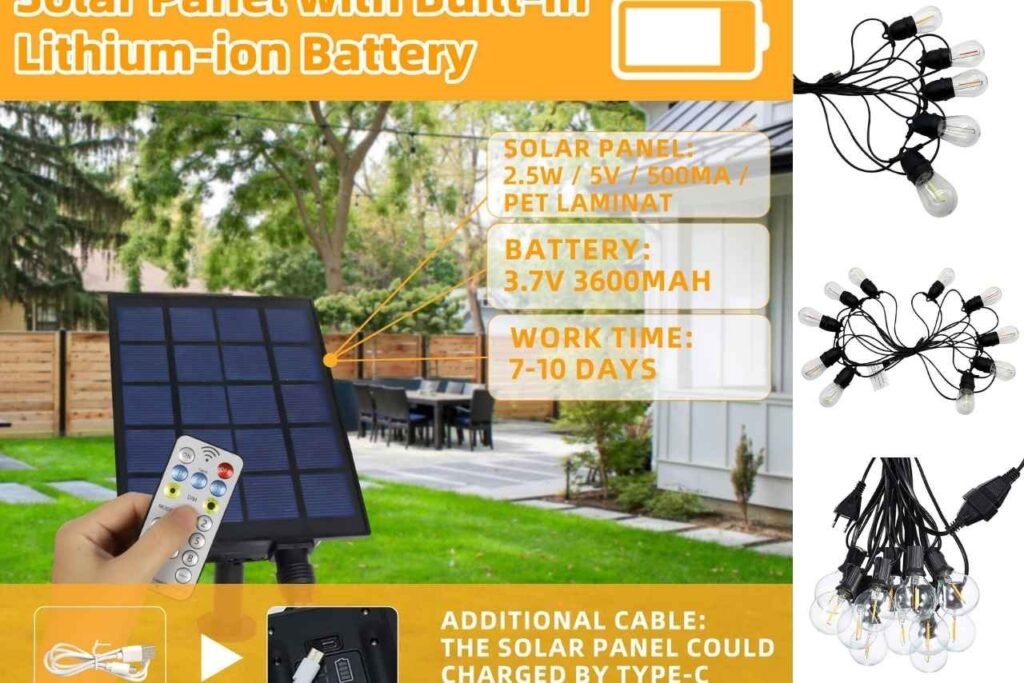
Note: ¡°Solar Garden Light¡± products are primarily for outdoor decorative use; indoor grow systems typically use plug-in LED grow lighting with measurable canopy intensity and coverage guidance.
References
- https://shineulight.com/ (company overview, product families, certification statements)
- https://shineulight.com/about/ (founded year, manufacturing footprint, export/certification claims, OEM/ODM)
- https://shineulight.com/product-category/garden-lights/ (Garden Lights category list)
- https://shineulight.com/product-category/garden-lights/solar-garden-light/ (Solar Garden Light category list)
- https://www.rhs.org.uk/ (general horticulture guidance)
- https://www.thespruce.com/ (indoor plant care patterns and consumer guidance)
- https://www.homedepot.com/ and https://www.lowes.com/ (market references for indoor gardening supplies)
- https://www.amazon.com/ (assortment reference; verify specs carefully)
Disclosure: SHINEU Lighting details summarized here are based on the provided page text from shineulight.com (home/about/category pages).