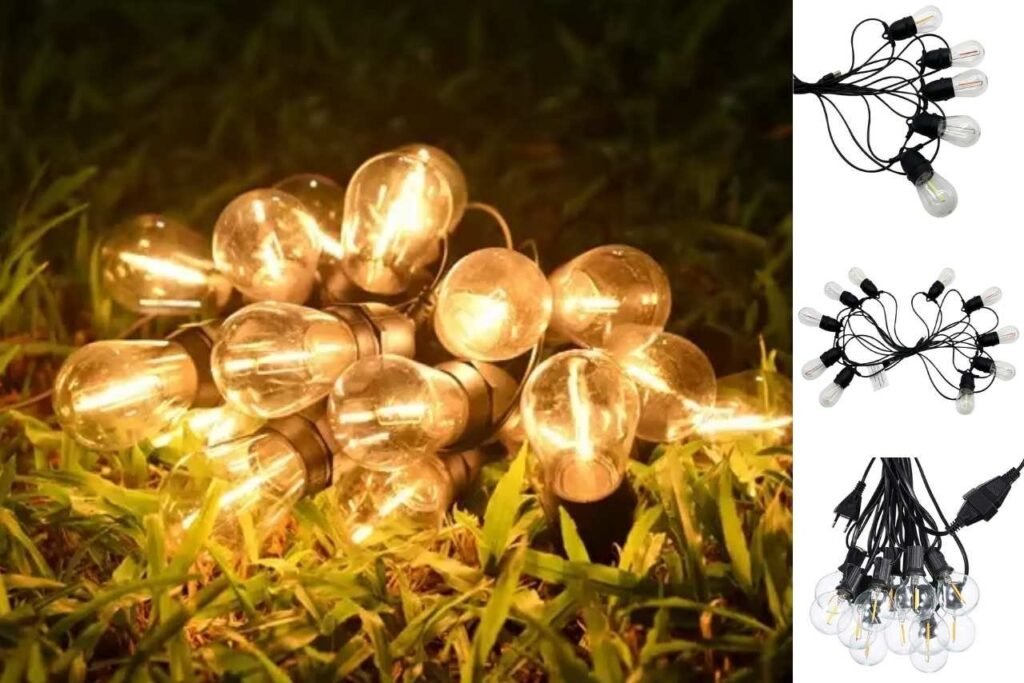
Designing a garden walkway is an exercise in both structural engineering and visual storytelling. As we move into 2026, the technical standards for outdoor illumination have shifted from generic flooding to a layered, human-centric approach. Learning how to style solar decorative lights for garden walkways effectively requires more than just placing stakes in the ground; it involves a calculated balance of color temperature, lumen density, and shadow management. For homeowners aiming for a premium, “Apple-style” minimalist exterior, the goal is to create a guided journey that feels natural, safe, and architectural.
As a specialized Garden Lights manufacturer, ShineU Lighting (Huizhou Xinyao Lighting Technology Co., Ltd.) has engineered its 2026 collection to meet these aesthetic demands. Operating from our ISO9001 certified Garden Lights Factory, we produce systems that integrate monocrystalline silicon panels and LiFePO4 batteries, ensuring that decorative flair never compromises functional reliability. By adhering to Dark-Sky standards and global safety certifications (UL, CE, GS), our fixtures provide the infrastructure for high-end landscape styling. This guide analyzes the professional techniques used to transform a simple path into a cinematic garden experience.
The Staggered Path Strategy: Avoiding the “Runway” Effect
One of the most common mistakes in walkway styling is placing lights in a perfectly straight, opposite-facing line. This creates a “runway” effect that feels cold and industrial. To achieve a professional, natural look, staggering your Solar Garden Light fixtures is essential. By alternating sides of the path, you lead the eye in a rhythmic zigzag pattern, which makes the walkway feel wider and more inviting.
- Optimal Spacing: For 2026 solar models, we recommend a spacing of 6 to 8 feet. This ensures that the pools of light slightly overlap, eliminating “dead zones” without over-illuminating the space.
- Curved Path Dynamics: On winding paths, always place lights on the outside of the curves. This naturally emphasizes the shape of the garden and provides a clearer visual guide for movement.
- Offset distance: Position stakes approximately 7 to 12 inches away from the actual walkway edge to allow for plant growth and to prevent the light from bleeding too harshly onto the path material.
Technical Aesthetics: The 2026 Styling Metric
Styling is now data-driven. The best solar powered light for garden walkways is selected based on its Beam Spread and Color Rendering Index (CRI). In 2026, the trend is toward Warm Amber (2200K – 2700K), which complements natural stone and wood textures far better than high-kelvin “blue” lights.
| Styling Technique | Fixture Type | Visual Outcome |
|---|---|---|
| Moonlighting | High-Lumen Solar Spot | Soft, dappled shadows through canopy |
| Shadow Play | Solar Rattan / Pattern Lens | Intricate textures on ground/walls |
| Linear Outlining | Solar Strip / In-Grade | Modern, architectural edge definition |
| Task Anchoring | Bollard Style | Defined markers for steps or gates |
Layering for Depth: Task, Ambient, and Accent
To style Garden Lights like a professional, you must think in three layers. This prevents the “flat” look common in DIY setups and creates a 3D environment that looks stunning from a distance.
1. Task Layer (The Path)
Use traditional stake lights or bollards to define the physical boundaries of the walk. ShineU¡¯s S14 and G40 Solar Series provide a consistent 3V-4.5V output, ensuring safety even in total darkness.
2. Ambient Layer (The Surroundings)
Don’t just light the path¡ªlight the garden around the path. Use Solar Rattan Lights or lanterns hung from nearby branches (Moonlighting) to provide a soft wash of light over foliage. This eliminates “black holes” and makes the garden feel safe and expansive.
Seasonal Hybridity: Adapting Your Style for 2026
Modern styling must be functional across all seasons. A common styling failure occurs in winter when snow or heavy clouds render solar lights dim. The 2026 solution is the USB & Solar Hybrid system. This technology allows you to maintain your “styled” look by manually charging the LiFePO4 battery via USB during the darkest weeks. This ensures your 6 to 8-hour nightly work time is consistent, allowing your garden’s visual theme to persist through the winter months.
Walkway Styling FAQ
1. How high should my walkway lights be?
For standard paths, 12 to 18 inches is the ideal height. If the lights are too tall, they may cause glare for pedestrians; if they are too low, the pool of light will be too small, necessitating more fixtures.
2. Can I mix different styles of solar lights along one path?
Yes, but maintain consistency in color temperature. You can mix bollards for task lighting and rattan lanterns for ambient fill, as long as they all share the same 2700K warm glow. This creates a unified “Apple-style” minimalist ecosystem.
3. Why are my solar lights casting weird “wagon wheel” patterns?
This is caused by the lens design. While some prefer these decorative patterns, for a high-end minimalist look, choose fixtures with frosted lenses or asymmetric downlight optics which produce a smooth, uniform pool of light.
4. Does ShineU offer ODM services for custom design themes?
Absolutely. As a full-service Garden Lights manufacturer, we specialize in ODM, OEM, and OBM. We can customize the housing materials, lens patterns, and LED temperatures to match your brand’s specific architectural aesthetic.