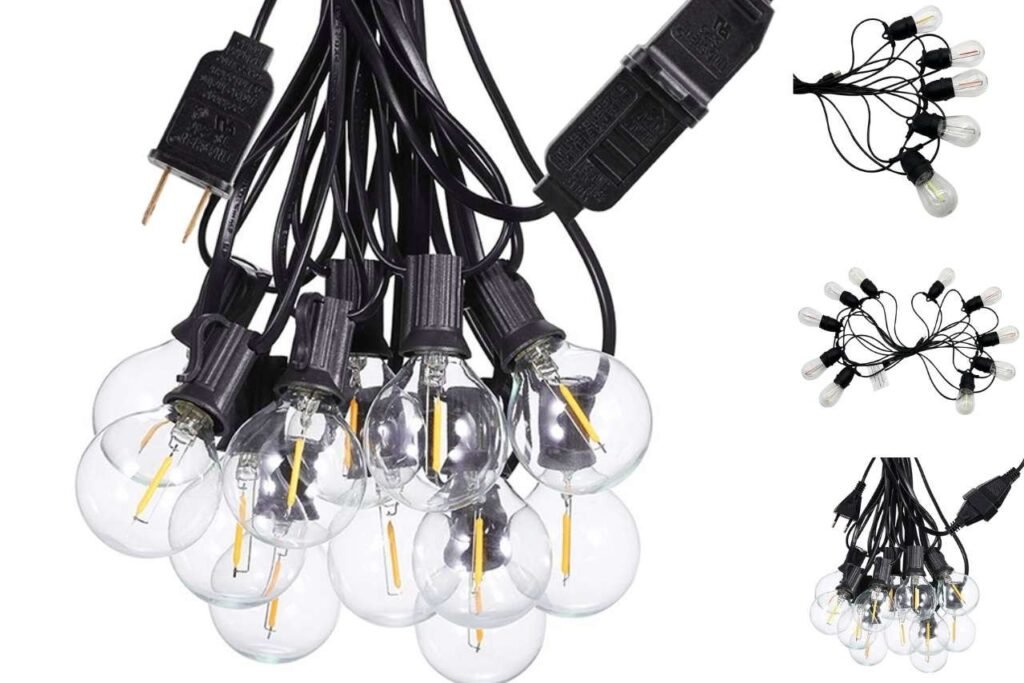
Low voltage outdoor lighting (typically powered through a transformer) is one of the safest, most DIY-friendly ways to add pathway, patio, and landscape illumination. This guide walks you through planning, wiring, placement, and testing¡ªso your garden lights look professional and run reliably.
Contents
- What ¡°low voltage garden lights¡± usually mean
- Tools & materials checklist
- Step 1: Plan your layout (the step that prevents 80% of issues)
- Step 2: Choose and place the transformer
- Step 3: Select cable and calculate voltage drop (simple method)
- Step 4: Install fixtures and route cable
- Step 5: Make waterproof connections
- Step 6: Test, adjust, and bury
- Maintenance, troubleshooting, and safety notes
- Related SHINEU pages (internal links)
- References
What ¡°low voltage garden lights¡± usually mean
Most low voltage landscape lighting systems use:
- A plug-in transformer connected to a standard outdoor-rated receptacle (often with a photocell/timer)
- Low voltage cable that runs through the yard
- Multiple fixtures tapped into the cable along the route (path lights, spotlights, deck lights, etc.)
Related note from SHINEU pages: SHINEU focuses on holiday and seasonal decorative lighting (e.g., solar garden lights, Christmas lights, outdoor decorative lights) and highlights IP44/IP65 waterproof designs and international certifications (UL, CUL, CE, GS) on its site content.
Tools & materials checklist
- Outdoor-rated transformer (low voltage) sized for your total load
- Landscape lighting cable (appropriate gauge for the run length/load)
- Fixtures (path/spot/string/deck¡ªrated for outdoor use)
- Waterproof connectors (gel-filled or equivalent outdoor-rated splices)
- Wire stripper/cutter, screwdriver
- Measuring tape, marking flags
- Shovel/edger or trenching tool
- Multimeter (highly recommended for diagnosing dim lights and voltage drop)
Step 1: Plan your layout (the step that prevents 80% of issues)
Before you dig, do a dry layout:
- Mark key visual targets: walkway edges, steps, entry points, feature plants/trees, patio perimeter.
- Place fixtures on the ground where you think they should go.
- Plan the cable route that avoids future digging zones (sprinkler lines, garden beds that get replanted, etc.).
- Group fixtures into ¡°runs¡±: shorter, balanced runs are easier to keep evenly bright.
Do not bury anything yet. Install and test first. Most ¡°my lights are dim¡± complaints come from burying cable before verifying load and connections.
Step 2: Choose and place the transformer
2.1 Size the transformer
Add up the wattage of all fixtures on the system and include headroom.
Total load (W) = sum of all fixture watts
A common best practice is to avoid running a transformer at 100% capacity continuously; leaving margin supports stability and expansion.
2.2 Pick a safe location
- Near a GFCI-protected outdoor outlet
- Off the ground, protected from direct sprinkler spray
- Accessible for timer/photocell adjustments
Step 3: Select cable and manage voltage drop (simple method)
Voltage drop is why lights at the far end can look dimmer. To reduce it:
- Use thicker cable (lower gauge number) for long runs
- Shorten run lengths or split into multiple runs
- Use a ¡°loop¡± or ¡°hub¡± layout instead of one long straight daisy chain
| Layout style | Best for | Why it helps |
|---|---|---|
| Daisy chain (straight run) | Small yards, few fixtures | Simple, but far-end dimming is common on longer runs |
| Hub (multiple short branches) | Medium/large installs | Balances distance; easier brightness consistency |
| Loop (returns toward transformer) | When you need very even brightness | Feeds fixtures from both directions; reduces drop |
Step 4: Install fixtures and route cable
- Set fixtures in place (stake into soil, mount to deck/steps, or hang as required).
- Route the main cable along the planned path, leaving slack at each fixture for service loops.
- Avoid tight bends and pinch points (under pavers/stone edges) that can damage insulation.
- Keep cable away from high-heat sources and areas likely to be aerated/dug.
Step 5: Make waterproof connections
Outdoor connections are the failure point for many systems. To improve reliability:
- Use outdoor-rated waterproof connectors (gel-filled or equivalent).
- Make sure copper is clean and fully seated in the connector.
- Keep splices above saturated soil where possible; avoid placing them in spots that puddle.
On SHINEU¡¯s homepage content, outdoor products are described with IP44/IP65 waterproofing; regardless of IP claims, your splices and power connections still need proper waterproofing for long-term performance.
Step 6: Test, adjust, and bury
6.1 First power-on test (before burying)
- Turn on the transformer and verify all lights illuminate.
- Walk the line and check for brightness consistency.
- If end-of-run fixtures are dim: shorten the run, split into two, thicken cable, or change layout (hub/loop).
6.2 Night aiming and glare control
- Aim spotlights so you light the target (tree/feature) rather than the viewer¡¯s eyes.
- For paths, use staggered placement to reduce ¡°runway¡± glare.
6.3 Burying cable
Once the system is working correctly:
- Bury cable at a shallow depth appropriate for landscape cable (follow local guidance and product instructions).
- In high-traffic zones, consider extra protection (conduit) where needed.
- Leave accessible slack at key junctions for future repairs.
Maintenance, troubleshooting, and safety notes
Common issues
- Some lights out: usually a bad splice/connector or a cut cable¡ªinspect the last point that worked.
- Lights dim at the far end: voltage drop¡ªsplit the run, use thicker cable, or use loop/hub.
- Transformer shuts off: overload or short¡ªreduce load, inspect for damaged insulation.
Electrical safety: Use outdoor-rated components, keep power supplies protected from water, and follow local electrical codes. If you¡¯re unsure about outlet protection, wiring, or transformer installation, hire a qualified electrician.
Related SHINEU pages (internal links)
Based on the provided SHINEU page content: SHINEU LIGHTING TECHNOLOGY CO., LTD. was founded in 2009 and provides design, development, manufacturing, and supply chain solutions for holiday/seasonal decorative lighting. The ¡°About¡± page mentions a 5,000 m2 Vietnam production facility, 100% export with 85% to North America and Europe, serving 2,000+ corporate clients, and a 95% satisfaction rate, plus certifications including UL, CUL, CE, GS and OEM/ODM services.
Internal links (required terms):
References
- https://shineulight.com/ (services, product ranges, IP rating mentions, certifications stated)
- https://shineulight.com/about/ (company intro, Vietnam factory size, export/client/satisfaction claims, OEM/ODM, certifications)
- https://shineulight.com/product-category/garden-lights/ (Garden Lights category listing)
- https://shineulight.com/product-category/garden-lights/solar-garden-light/ (Solar Garden Light category listing)
- https://www.rhs.org.uk/ (general horticulture and garden guidance)
- https://www.thespruce.com/ (home improvement and outdoor lighting guides)
- https://www.homedepot.com/ and https://www.lowes.com/ (landscape lighting parts/spec references)
- https://www.youtube.com/ (installation walkthroughs; validate methods with manufacturer instructions)
Disclaimer: This article is for general information and does not replace manufacturer installation instructions or local electrical code requirements.