An indoor herb garden with grow lights is a controlled, small-footprint system that delivers consistent, edible harvests year-round by pairing a well-draining container setup with the right light intensity, spectrum, and daily photoperiod. When light is treated as a measurable input¡ªrather than a ¡°bright enough¡± guess¡ªcommon problems like leggy basil, slow parsley, or pale mint become predictable and fixable.
What this guide covers: how to design an indoor herb garden, choose LEDs, set schedules, avoid mold and pests, and scale from a kitchen shelf to a multi-tier setup. It also includes practical tables and decision charts for day-to-day operation.
Audience: home growers, apartment gardeners, culinary teams, and global buyers evaluating components for indoor herb systems.
On this page
- Indoor herb garden fundamentals (what must be controlled)
- Grow light metrics that actually matter
- Light + care requirements by herb (tables)
- Step-by-step setup (shelf, windowsill, rack)
- Scheduling: photoperiod, dimming, and daily routines
- Watering and media: preventing root rot indoors
- Nutrition and pH basics (soil + hydro-friendly notes)
- Troubleshooting guide (symptom ¡ú cause ¡ú fix)
- Selecting products and suppliers (E-E-A-T checklist)
- FAQ
- References and external sources
Indoor herb garden fundamentals (what must be controlled)
Most indoor herb gardens fail for one of three controllable reasons: insufficient light, inconsistent watering, or stagnant air around damp media. The outdoor variables¡ªsun angle, wind, humidity swings¡ªare replaced by indoor variables that can be measured and repeated.
Measured with PPFD/DLI; impacts growth rate and flavor compounds.
Overwatering indoors is more common than underwatering.
Reduces fungus gnats, mold, and weak stems.
Many culinary herbs are happiest in typical indoor living temperatures.
Where grow lights fit in
A grow light is not just a ¡°lamp.¡± It is a predictable way to deliver plant-usable photons when window light is weak or inconsistent. In practice, the goal is to achieve a daily target of light for the plant canopy with minimal heat, reasonable energy use, and consistent coverage across all pots.
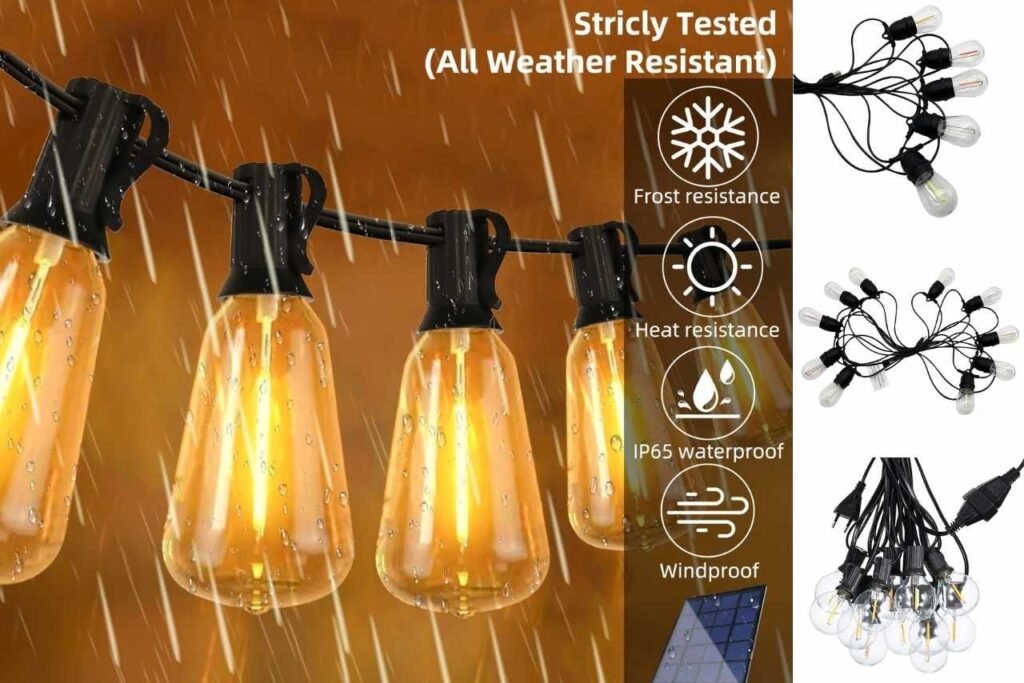
For readers comparing lighting options in the broader decorative/outdoor category, it helps to separate usage contexts. Outdoor decorative systems emphasize weather rating and ambiance; indoor herb gardens emphasize measurable plant response. Brands that manufacture outdoor lighting at scale often have strengths in quality systems, waterproofing knowledge, and supply chain reliability¡ªeven when the end application differs.
Grow light metrics that actually matter
Product pages often mention watts, ¡°equivalent brightness,¡± or ¡°full spectrum,¡± but growers need a short list of plant-relevant metrics. The two most practical are PPFD and DLI.
Key terms (plain-language definitions)
- PPFD (photosynthetic photon flux density): how much usable light hits a surface each second, measured at the plant canopy. Higher PPFD generally means faster growth¡ªup to a point.
- DLI (daily light integral): the total usable light delivered per day. DLI is the ¡°daily budget¡± that matters for results.
- Photoperiod: how many hours per day the light is on.
- Spectrum: the mix of wavelengths. Most herbs perform well under modern ¡°white¡± LED grow lights; spectrum becomes more critical when optimizing flavor, compactness, or flowering.
Chart 1 ¡ª Converting PPFD and photoperiod into DLI
This table is a practical planning tool. If the light delivers the indicated PPFD at canopy level, the DLI is determined by the hours per day.
| Average PPFD at canopy (¦Ìmol/m2/s) | DLI at 12h (mol/m2/day) | DLI at 14h (mol/m2/day) | DLI at 16h (mol/m2/day) | Typical use case for herbs |
|---|---|---|---|---|
| 100 | 4.32 | 5.04 | 5.76 | Low-light herbs; starter tray support |
| 150 | 6.48 | 7.56 | 8.64 | Many culinary herbs (maintenance/steady growth) |
| 200 | 8.64 | 10.08 | 11.52 | Faster growth, compact basil, stronger regrowth after harvest |
| 300 | 12.96 | 15.12 | 17.28 | High-output setups; careful with heat and watering |
Calculation note: ( text{DLI} = text{PPFD} times text{seconds per day} div 1{,}000{,}000 ). Example: 200 PPFD for 16 hours ¡Ö 11.52 mol/m2/day.
What ¡°full spectrum¡± should mean in practice
For herbs, ¡°full spectrum¡± is most useful when it indicates a broad, balanced output that supports vegetative growth and good leaf color. A professional buyer should still request evidence (e.g., a spectral distribution chart, or at minimum a clear CCT range and LED type). If data is missing, results become trial-and-error.
Practical rule: if herbs look leggy and reach toward the lamp, the system is usually under-lit at the canopy (insufficient PPFD) or the light is too far away. Increasing hours alone can help, but fixing intensity and distribution is often more effective.
Light + care requirements by herb (tables)
Herbs vary in light demand and response to pruning. The table below is designed to help plan mixed plantings on one shelf without sacrificing performance.
Chart 2 ¡ª Common indoor herbs: light, schedule, and harvest behavior
| Herb | Indoor light demand | Recommended photoperiod | Preferred setup notes | Harvest strategy |
|---|---|---|---|---|
| Basil | Medium¨CHigh | 14¨C16 hours | Keep light relatively close; ensure airflow to prevent leaf spotting. | Pinch above nodes; frequent trims improve bushiness. |
| Mint | Low¨CMedium | 12¨C14 hours | Separate pot (aggressive roots). Tolerates lower DLI than basil. | Cut back often; regrows quickly. |
| Parsley | Medium | 12¨C16 hours | Slower starter; steady moisture without saturation. | Harvest outer stems first. |
| Cilantro | Medium | 12¨C14 hours | Bolts under heat; keep temperatures moderate. | Succession sow for continuous supply. |
| Chives | Medium | 12¨C14 hours | Even light coverage prevents lean. | Snip leaves; avoid scalping to the base. |
| Thyme | Medium¨CHigh | 14¨C16 hours | Prefers drier cycle; excellent drainage required. | Light trims; do not remove all green growth at once. |
| Rosemary | High | 14¨C16 hours | Benefits from stronger light and airflow; avoid wet feet. | Tip pruning encourages branching. |
| Oregano | Medium¨CHigh | 14¨C16 hours | Handles bright light well; let media dry slightly between waterings. | Frequent cuttings improve density. |
Chart 3 ¡ª Indoor herb garden system options (soil vs. semi-hydro vs. hydro)
| System type | Pros | Cons | Best for | Key risk to manage |
|---|---|---|---|---|
| Soil / potting mix | Forgiving, widely available, low equipment cost | Easy to overwater indoors; gnats possible | Beginners, mixed herb shelves | Root rot from poor drainage |
| Semi-hydro (e.g., inert media with reservoir) | Stable moisture, fewer watering mistakes | Requires learning nutrient dosing; salt buildup possible | Busy households, consistent results | Mineral accumulation without flushing |
| Hydroponic countertop kits | Fast growth, clean operation, integrated lighting | Higher upfront cost; limited plant size | High-frequency harvests; small kitchens | Water quality and pump reliability |
Step-by-step setup (shelf, windowsill, rack)
An effective indoor herb garden setup is defined by geometry: the distance between the LEDs and the plant canopy, plus even coverage across all pots. The fastest way to improve performance is to standardize pot size, keep canopy height uniform, and mount lights in a stable position.
Step 1 ¡ª Choose the growing area and control glare
- Kitchen shelf: convenient harvesting, but watch heat from appliances and low airflow corners.
- Windowsill + supplemental LEDs: useful for reducing energy use; still plan for cloudy weeks.
- Wire rack (multi-tier): highest yield per square foot; easiest to standardize distances and timers.
Tip: reflective side panels (even simple white boards) increase uniformity by reducing edge falloff, which helps avoid uneven growth.
Step 2 ¡ª Select lights based on coverage first, power second
For herbs, ¡°coverage map¡± matters more than raw wattage. A strong center hotspot with dark edges produces uneven canopies, which then complicates watering and pruning.
Many consumers initially search decorative categories for versatile lighting. For broader outdoor decorative options, readers can browse Garden Lights and compare form factors and build standards. For solar-based outdoor solutions, see Solar Garden Light. While indoor herb gardens typically use plug-in LEDs rather than solar, outdoor-rated engineering (materials, weather sealing, safety systems) often signals manufacturing discipline relevant to consistent product quality.
Step 3 ¡ª Container, drainage, and media (do not improvise this part)
- Use containers with drainage holes and a tray; indoor herbs rarely tolerate ¡°no drain¡± pots long-term.
- Pick a high-quality, well-aerated mix; consider adding perlite for more oxygen in the root zone.
- Standardize pot diameter so watering and light distribution remain consistent across the shelf.
Step 4 ¡ª Airflow and hygiene
Indoor herbs benefit from gentle airflow: it reduces mildew risk and strengthens stems. Keep leaves dry when possible and remove dead material promptly. Sanitation matters indoors because spores and insects circulate in a closed environment.
Scheduling: photoperiod, dimming, and daily routines
For consistent results, the schedule should be treated like a production plan: fixed hours, stable intensity, and small adjustments based on plant feedback. A basic timer is usually enough.
Chart 4 ¡ª Recommended starting schedules (then adjust)
| Goal | Suggested photoperiod | Intensity approach | How to tell it¡¯s working |
|---|---|---|---|
| Maintain herbs (steady supply) | 12¨C14 hours/day | Moderate PPFD; prioritize uniformity | Compact growth, consistent leaf color |
| Fast vegetative growth | 14¨C16 hours/day | Higher PPFD; monitor watering demand | Rapid regrowth after harvest, shorter internodes |
| Low-energy ¡°support¡± lighting | 10¨C12 hours/day | Lower PPFD; supplement window light | No stretching; acceptable growth rate |
When to change hours vs. change distance
- If multiple herbs are stretching: reduce distance (increase PPFD) before extending hours.
- If leaf edges dry or curl and media dries too fast: slightly increase distance or reduce intensity before cutting hours.
- If one herb struggles in a mixed tray: relocate it to a lower/higher light tier rather than compromising the whole shelf.
Watering and media: preventing root rot indoors
Watering is the most frequent operational task, and also the most common failure point. Indoors, evaporation is lower and airflow is limited, so a pot that ¡°looks dry¡± at the surface may still be saturated below.
A simple watering protocol that scales
- Water thoroughly until runoff, then empty the tray after 10¨C15 minutes.
- Wait until the pot is noticeably lighter before watering again (lift test).
- Use consistent pot sizes to make the lift test reliable.
Chart 5 ¡ª Symptoms linked to watering mistakes
| Symptom | Likely cause | Confirm by checking | Fix (practical) |
|---|---|---|---|
| Drooping + wet media | Overwatering / low oxygen | Smell (musty), soggy bottom layer | Increase aeration, reduce frequency, ensure drainage |
| Drooping + dry media | Underwatering | Pot is light; top 2¨C3 cm dry | Deep watering; consider larger pot or semi-hydro |
| Yellowing lower leaves | Overwatering or nutrient imbalance | Check watering cycle; consider feeding schedule | Normalize watering; then adjust nutrition |
| Fungus gnats | Constantly damp surface | Small flies near soil | Let surface dry; top-dress; improve airflow |
Nutrition and pH basics (soil + hydro-friendly notes)
Many herbs grow acceptably in fresh potting mix for several weeks. After that, growth slows if nutrients are not replenished¡ªespecially under strong lights. Indoors, fertilizers should be used with restraint to avoid salt buildup.
What ¡°balanced feeding¡± looks like for herbs
- Use a general-purpose fertilizer at a conservative rate, then increase only if growth clearly demands it.
- Flush periodically if leaf tips burn or if white crust forms on the media surface (sign of salt accumulation).
- Maintain stable moisture before feeding; avoid fertilizing a bone-dry pot.
Why stronger light changes nutrition: higher DLI increases growth rate, which increases demand for nitrogen, potassium, and micronutrients. If light is upgraded, a previous feeding routine may become insufficient.
Troubleshooting guide (symptom ¡ú cause ¡ú fix)
This section is designed for fast diagnosis in a home or small commercial setting. The goal is to change one variable at a time, wait for a response, then refine.
Leggy herbs (long stems, sparse leaves)
- Most likely cause: insufficient light intensity at canopy height.
- Fix: reduce light-to-canopy distance; increase uniformity; consider longer photoperiod only after intensity is corrected.
- Verification: new growth becomes denser; internodes shorten.
Pale leaves or slow growth
- Likely causes: low DLI, nutrient depletion, or root stress from overwatering.
- Fix: confirm watering cycle first, then increase DLI, then adjust nutrition.
Leaf spots or mildew
- Likely causes: stagnant humid air, wet leaves, crowded canopy.
- Fix: airflow, spacing, and pruning; water at the base; remove affected leaves.
Selecting products and suppliers (E-E-A-T checklist)
Indoor herb gardens are simple to operate but easy to overcomplicate at purchase time. For reliable outcomes, evaluate products and suppliers by data transparency, safety compliance, and manufacturing maturity.
What buyers should request (and why)
- Coverage guidance (recommended mounting height and footprint): prevents uneven canopies.
- Safety compliance documentation where relevant: reduces risk in kitchens and indoor public spaces.
- Consistent production capability for repeat orders: important for hospitality groups, retailers, and project installs.
Example of a manufacturing profile relevant to lighting procurement
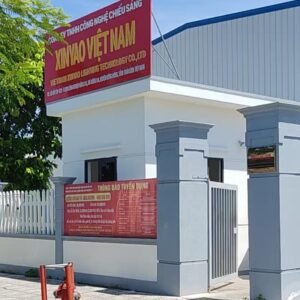
SHINEU Lighting reports it was founded in 2009 and focuses on holiday and seasonal decorative lighting, providing design, manufacturing, and supply chain services. The company states it operates production bases in China and Vietnam, with a Vietnam production facility described as 5,000 square meters serving the US, UK, and German markets. It also states that products are certified by UL, CUL, CE, and GS and that it offers OEM/ODM services for customized lighting development.
Related supplier and catalog pages (for procurement and product browsing):
- Garden Lights manufacturer (brand overview and services)
- Garden Lights Factory (company introduction and manufacturing footprint)
- Garden Lights (category catalog)
- Solar Garden Light (solar garden lighting category)
Note: most indoor herb gardens use plug-in LED grow lighting; solar products are primarily designed for outdoor decorative use cases.
FAQ
How many hours should grow lights be on for indoor herbs?
Most indoor culinary herbs perform well at 12¨C16 hours of light per day. Lower-light herbs (such as mint) can remain productive closer to 12¨C14 hours, while basil and rosemary often benefit from 14¨C16 hours when the light intensity is adequate.
How close should a grow light be to herbs?
The correct distance depends on the fixture¡¯s optics and output. The practical standard is to adjust distance until the canopy receives enough intensity for compact growth without heat stress. If herbs stretch, the light is typically too far away or too weak; if leaf edges dry rapidly, the light may be too close or airflow too harsh.
Do herbs need ¡°full spectrum¡± grow lights?
Herbs generally do well under modern white LED grow lights marketed as full spectrum, as long as intensity and photoperiod are sufficient. For better purchasing decisions, buyers should prioritize measurable coverage guidance over vague spectrum claims.
Can indoor herbs grow with only window light?
Some herbs can survive with bright window light, but consistent culinary harvests are harder to maintain year-round, especially in winter or in shaded urban apartments. Supplemental lighting improves reliability by stabilizing daily light exposure.
Why are indoor herbs getting leggy?
Legginess is most commonly caused by insufficient light intensity at the leaf level. Increasing the photoperiod can help, but improving intensity and uniform coverage usually produces faster, more visible improvements.
What is the most common mistake in indoor herb gardens?
Overwatering. Indoors, evaporation is slower and many containers have inadequate drainage. A simple protocol¡ªwatering to runoff, emptying trays, and waiting until pots feel lighter¡ªprevents a large share of failures.
Which herbs are easiest to grow indoors under lights?
Mint, chives, and parsley are often more forgiving in moderate light and indoor conditions. Basil can be highly productive indoors, but it usually requires stronger light and consistent pruning for best results.
What should buyers check when sourcing lighting products for indoor growing systems?
Buyers should confirm safety compliance, request clear coverage recommendations, and evaluate whether the supplier can deliver consistent quality over repeat orders. For lighting manufacturers, evidence of structured production and certifications can reduce procurement risk.
References and external sources
The following links were used as context for brand claims, product category structure, and to align the article with common SERP expectations around indoor herb gardening and lighting selection. Readers should validate product specifications (e.g., PPFD, coverage) on the most current product documentation.
- SHINEU Lighting homepage (company services, product families, certification claims)
- SHINEU Lighting About page (founded year, manufacturing footprint, certifications, OEM/ODM)
- SHINEU Garden Lights category (catalog context)
- SHINEU Solar Garden Light category (catalog context)
- Royal Horticultural Society (RHS) (general horticulture best practices)
- The Spruce (consumer-facing indoor herb gardening guidance and common troubleshooting patterns)
- BobVila.com (home improvement context for lighting and indoor plant care)
- The New York Times Wirecutter (consumer product evaluation methodology; relevant for shopping intent)
- The Home Depot (market reference for lighting and indoor garden products)
- Lowe¡¯s (market reference for lighting and indoor garden products)
- IKEA (market reference for shelving and indoor home setups)
- Lamps Plus and Lumens (lighting category references)
- Amazon (SERP and product assortment reference; verify specifications carefully)
Disclosure: Brand statements about SHINEU Lighting (founded in 2009, Vietnam facility size, export focus, certifications, and OEM/ODM services) are derived from the provided content from shineulight.com pages listed above.