Indoor herb gardens (basil, mint, parsley, cilantro, thyme) can thrive under grow lights, but small setup issues quickly show up as leggy growth, pale leaves, or ¡°mystery¡± leaf drop. This guide gives you a practical, symptom-based checklist to fix the most common grow light problems¡ªfast.
Contents
Fast 5-minute check (do this first)
- Confirm the timer: is it actually turning on/off when you think it is?
- Measure light-to-canopy distance: most herb setups fail because the light is too far away.
- Check coverage: are the edges of the tray noticeably dimmer than the center?
- Look for heat stress: warm leaves + curling upward can mean the light is too close or airflow is poor.
- Verify watering pattern: constantly wet soil causes many symptoms that mimic low light.
Rule of thumb for herbs: it¡¯s usually easier to fix issues by improving uniform coverage (more bars, better spacing, reflective sides) than by simply buying ¡°higher wattage.¡±
Symptom ¡ú likely cause ¡ú fix (quick table)
| What you see | Most likely cause | What to do (in order) |
|---|---|---|
| Leggy / stretched, long stems, plant leans toward light | Light too weak at the canopy OR light too far away | Lower the light; increase daily hours; improve coverage; rotate tray every 2¨C3 days |
| Pale leaves, slow growth | Low light intensity; sometimes nutrient depletion | Increase intensity (distance/coverage); ensure adequate feeding for potted herbs; verify photoperiod |
| Leaf tips brown or crispy edges | Dry air / inconsistent watering; sometimes light too close + heat | Improve watering consistency; add airflow; raise light slightly if leaves feel warm |
| Leaves curl up, tacoing | Too much intensity/heat at canopy or low humidity | Raise light a bit; add fan; don¡¯t run lights in a stagnant enclosed space |
| Algae / fungus gnats, musty soil | Overwatering + low airflow (not a ¡°light problem¡±) | Let soil dry more between waterings; bottom-water; add sticky traps; increase airflow |
| One side grows better than the other | Uneven coverage / hotspot center | Center the fixture; add a second bar; use reflective side panels; rotate plants |
| Plants bolt (especially cilantro) | Heat stress, long days, maturity | Keep cooler; harvest earlier; avoid excessive heat from lamps/drivers |
| Leaves scorch/bleach directly under the light | Light too close / too intense | Raise fixture; reduce hours; diffuse light (if appropriate) and improve airflow |
Light-specific troubleshooting
1) The light is ¡°on,¡± but herbs are still leggy
Most common reason: the canopy isn¡¯t receiving enough intensity because the fixture is too far away or the light is spread too thin over too large an area.
- Fix distance first: lower the light gradually (watch for heat stress).
- Fix coverage next: add a second fixture or use multiple bars instead of one point source.
- Fix duration last: increase daily hours if you can¡¯t increase intensity safely.
2) Hotspot center, weak edges (uneven growth)
This is typical when one small panel is used over a wide tray. You¡¯ll see compact growth in the middle and stretch at the edges.
- Use two smaller fixtures spaced apart rather than one centered fixture.
- Add simple reflective side walls (white poster board works) to bounce side light back to plants.
- Rotate plants 180¡ã every few days.
3) Flicker, strobing, or ¡°it looks dim sometimes¡±
- Check connections: loose plugs, worn USB adapters, or daisy-chain connectors can cause intermittent output.
- Confirm driver compatibility: mismatched dimmers/drivers can create visible flicker.
- Try a different outlet/power strip to rule out power issues.
Safety note: If a power supply feels unusually hot, smells, or makes noise, stop using it and replace it.
4) Leaves look ¡°sunburned¡± under LEDs
Yes, LEDs can cause light stress if they¡¯re too close or too intense¡ªespecially on tender new growth.
- Raise the fixture slightly and observe for 48¨C72 hours.
- Add gentle airflow; heat pockets near the canopy make damage worse.
- If your fixture has dimming, reduce output and extend hours slightly.
5) The timer schedule isn¡¯t working
- Confirm AM/PM (common error with basic timers).
- Check power loss behavior: some timers reset after outages.
- For consistency, use a timer with battery backup if outages are frequent.
Plant/environment problems that look like ¡°light problems¡±
Overwatering (the #1 non-light issue)
Overwatered herbs often look limp, pale, and slow¡ªsimilar to low light. If the pot feels heavy for days and the surface stays wet, reduce watering and increase airflow.
Underfeeding in containers
Basil and mint can exhaust potting mix. If new growth is small and pale despite good light, consider a mild, appropriate fertilizer schedule.
Airflow & temperature
Stagnant air increases disease risk and makes heat/light stress worse. A small fan on low (not blasting plants) often improves sturdiness and reduces fungus gnats.
Maintenance & safety tips
- Clean lens/diffuser monthly: dust can meaningfully reduce output.
- Keep drivers and adapters ventilated: don¡¯t bury them under pots or fabric.
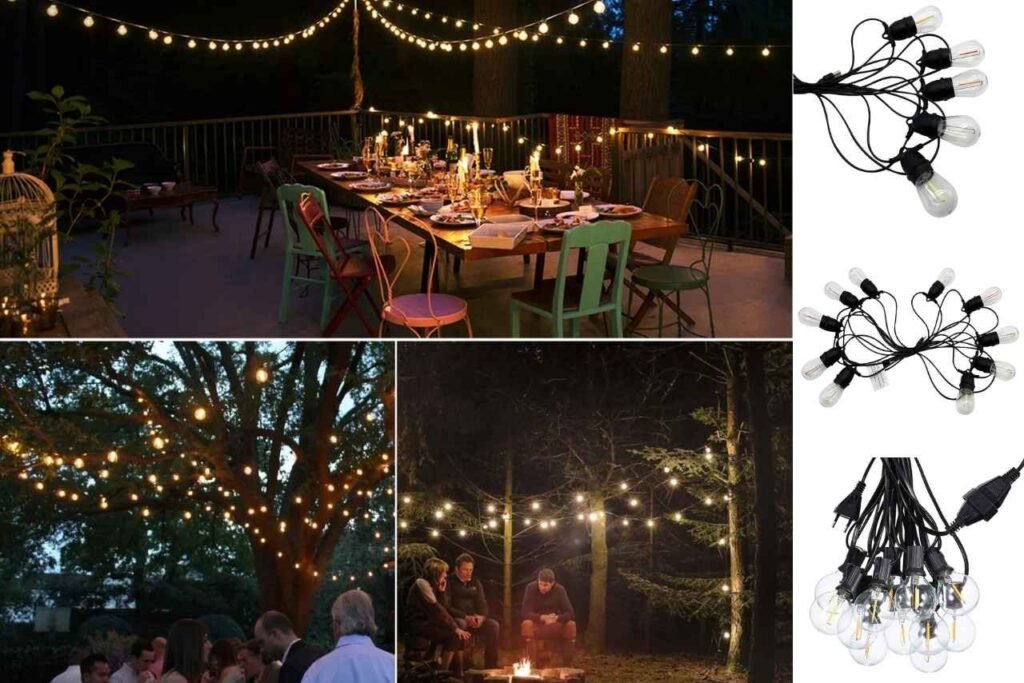
- Use appropriate IP-rated equipment if there¡¯s frequent splashing. (Outdoor decorative products often advertise IP44/IP65; always match rating to your environment.)
Related SHINEU pages (internal links)
From the provided SHINEU site content: SHINEU LIGHTING TECHNOLOGY CO., LTD. (founded 2009) manufactures and supplies holiday and seasonal decorative lighting, with production in China and Vietnam (5,000 m2 Vietnam facility mentioned), and certifications including UL, CUL, CE, and GS, plus OEM/ODM services.
Internal links (required terms):
Note: The ¡°Solar Garden Light¡± category is outdoor-focused; indoor herb grow lighting typically uses plug-in fixtures with specified power draw and measured intensity/coverage.
References
- https://shineulight.com/about/ (company overview, factory footprint, export/certification claims)
- https://shineulight.com/ (services, product families, certifications mentioned)
- https://shineulight.com/product-category/garden-lights/ (Garden Lights category listing)
- https://shineulight.com/product-category/garden-lights/solar-garden-light/ (Solar Garden Light category listing)
- https://www.rhs.org.uk/ (general gardening guidance)
- https://www.thespruce.com/ (consumer guidance on indoor plant care)
- https://www.homedepot.com/ and https://www.lowes.com/ (product spec references; verify ¡°true watts¡±)
- https://www.youtube.com/ (setup demos; check for measured data, not just opinions)
Disclaimer: This troubleshooting guide is educational and based on common indoor herb grow light failure modes; always follow your fixture¡¯s safety instructions and electrical standards in your region.