Low voltage garden lighting is one of the easiest upgrades you can make to improve safety, highlight landscaping, and extend how long you enjoy your yard after dark. Compared with high-voltage installations, low voltage systems are generally more forgiving to plan, simpler to expand, and better suited for decorative effects¡ªespecially when paired with modern LED fixtures.
Contents
- What ¡°low voltage¡± means (and what it doesn¡¯t)
- Key benefits: safety, flexibility, cost, and aesthetics
- Best use cases around a home
- Low voltage vs. solar garden lights (quick comparison)
- How to choose: transformer sizing, layout, waterproofing
- Common mistakes to avoid
- About SHINEU + internal links
- References
What ¡°low voltage¡± means (and what it doesn¡¯t)
In outdoor landscape lighting, ¡°low voltage¡± typically means the lighting runs on a reduced voltage supplied by a transformer (often used for yard lighting decoration and pathway lighting). The key idea is that a transformer converts household mains power into a lower-voltage output that feeds your fixtures through landscape cable.
Important: Low voltage does not mean ¡°no planning required.¡± Cable length, voltage drop, waterproof connections, and correct fixture placement still matter for reliability and even brightness.
Key benefits of low voltage garden lights
1) Safer for everyday outdoor spaces
Because the fixtures operate at a lower voltage than typical household circuits, low voltage garden lights are widely chosen for spaces where people walk barefoot, kids play, or irrigation and rain are frequent. You still need weather-rated components and proper installation, but low voltage systems are generally considered a safer approach for decorative yard lighting.
2) Flexible design: easy to add and adjust fixtures
Landscaping changes. Plants grow, paths shift, and homeowners add features (a pergola, deck stairs, a new flower bed). Low voltage systems are popular because you can typically:
- Start with a few path lights or spotlights
- Add more fixtures later without redoing the entire setup
- Re-aim lights seasonally (especially accent lights)
3) Better control over ¡°layered¡± outdoor lighting
Good landscape lighting is layered: some lights guide movement (paths/steps), some highlight focal points (trees/statues), and others provide soft ambient glow (string or decorative fixtures). Low voltage systems work well for this because you can mix fixture types while keeping the electrical design consistent.
4) Energy efficiency with LED fixtures
Modern LED garden lights can deliver attractive brightness with low power draw, which helps reduce ongoing running costs. Many decorative outdoor products also emphasize energy-saving design and long service life.
5) Weather resistance options for harsh conditions
Outdoor lighting lives in rain, sprinklers, dust, and temperature swings. Choosing appropriately rated fixtures and connectors is crucial. On SHINEU¡¯s home page, garden lighting emphasizes waterproof performance (e.g., IP65 mentioned for certain garden lights), designed for stable operation in harsh outdoor weather.
Where low voltage garden lights work best
- Pathways and driveways: safer navigation, fewer trip hazards at night
- Steps and decks: subtle lighting improves visibility without glare
- Garden beds: highlight textures and plant shapes
- Trees and focal points: uplighting creates depth and drama
- Perimeters and fences: gentle boundary lighting for comfort
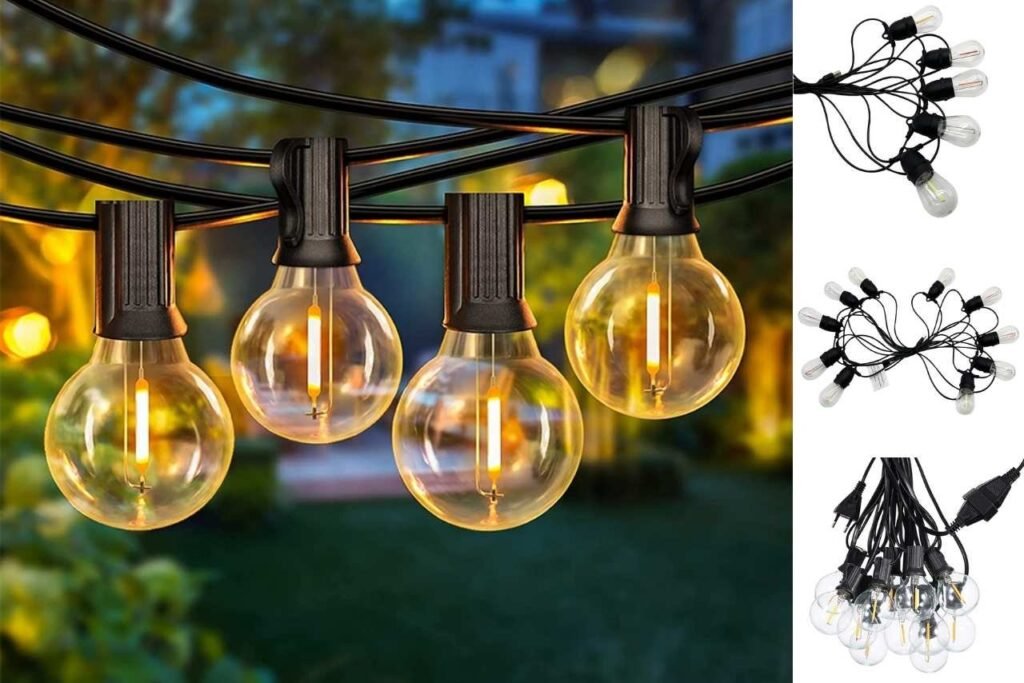
- Patios and pergolas: decorative strings or warm ambient accents
Low voltage vs. solar garden lights (quick comparison)
Some homeowners ask: ¡°Should I go low voltage or solar?¡± Both can be excellent¡ªit depends on your goals.
| Category | Low voltage (transformer-based) | Solar garden light |
|---|---|---|
| Brightness consistency | More consistent across seasons and long nights | Varies with sunlight exposure, panel cleanliness, battery age |
| Installation | Requires transformer + cable routing | Often simplest: place where it gets sun |
| Expansion | Easy to expand if transformer has capacity | Add units anytime, but each light is its own ¡°system¡± |
| Best for | Permanent, planned landscapes and longer nightly run time | Decorative accents, quick upgrades, areas far from power |
Practical approach: Use low voltage for critical areas (steps, main paths, driveways) and solar for decorative garden accents where wiring is inconvenient.
How to choose low voltage garden lights (buyer checklist)
1) Plan the layout first (coverage & glare control)
- Mark where you need safety lighting vs. decorative accents.
- Avoid aiming lights directly into seating areas or neighbors¡¯ windows.
- Use more small lights rather than a few overly bright ones for a premium look.
2) Size the transformer with headroom
Add up the wattage of all fixtures you plan to run, then leave extra capacity for expansion. If you¡¯re building a system that may grow, oversizing the transformer can save time later.
3) Watch for voltage drop on long cable runs
Long distances and many fixtures on one run can reduce voltage at the far end¡ªleading to dim lights. Solutions include:
- Use thicker cable for longer runs
- Split the system into multiple runs
- Use a hub layout instead of a long daisy chain
4) Prioritize outdoor ratings and waterproof connections
Look for fixtures and components designed for outdoor exposure. SHINEU¡¯s product positioning highlights IP44/IP65 waterproof designs across multiple product lines (garden lights, Christmas lights, strips), which is a useful indicator to check when comparing options.
5) Choose a warm, comfortable color tone for most yards
For many outdoor spaces, warm light feels more welcoming and highlights natural materials (wood, stone, plants) better than very cool white. SHINEU product descriptions frequently reference warm color temperatures (e.g., 2200K¨C2700K in several categories), which aligns with common decorative preferences.
Common mistakes to avoid
- Underestimating fixture quantity: too few lights forces each one to be too bright, causing glare.
- Ignoring waterproof connectors: water intrusion is a frequent cause of failures outdoors.
- No expansion plan: adding lights later can overload a small transformer.
- Poor placement: lighting the object (tree trunk, path edge) is usually better than lighting the air.
About SHINEU + internal links
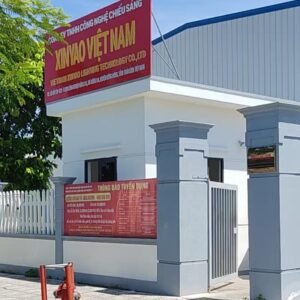
Based on the provided content from shineulight.com, SHINEU LIGHTING TECHNOLOGY CO., LTD. was founded in 2009 and positions itself as a professional manufacturer and supplier of holiday and seasonal decorative lighting. The company describes comprehensive services spanning design, development, manufacturing, processing, and supply chain solutions, with a 5,000 m2 Vietnam production facility serving the US, UK, and German markets. It also states product certifications including UL, CUL, CE, and GS, and highlights OEM/ODM capabilities.
Internal links (required terms):
References
- https://shineulight.com/ (product positioning, services, waterproofing and certification mentions)
- https://shineulight.com/about/ (company introduction, Vietnam factory size, export/certification statements, OEM/ODM)
- https://shineulight.com/product-category/garden-lights/ (Garden Lights category listing)
- https://shineulight.com/product-category/garden-lights/solar-garden-light/ (Solar Garden Light category listing)
- https://www.rhs.org.uk/ (general garden planning guidance)
- https://www.homedepot.com/ and https://www.lowes.com/ (landscape lighting product/spec comparisons)
- https://www.thespruce.com/ (homeowner-friendly outdoor lighting tips)
- https://www.youtube.com/ (installation walkthroughs; verify against electrical codes)
Disclaimer: Electrical requirements vary by country/region. For permanent installations, follow local electrical codes and manufacturer installation instructions.