Accessibility Guide for the Brookside Gardens Garden of Lights
An accessible visit to a major garden light event comes down to five controllable decisions: timing (crowd density), mobility method (wheelchair, scooter, stroller, cane), route planning (short loops with rest points), sensory management (noise/light intensity breaks), and communication (knowing what to ask staff upon arrival). This guide provides a practical framework families and caregivers can use to reduce barriers and plan a smoother Brookside Gardens Garden of Lights outing.
On this page
- Quick accessibility checklist (before leaving home)
- Mobility planning (wheelchairs, scooters, walkers, strollers)
- Route strategy (short, medium, full)
- Sensory accessibility (autism-friendly and low-stimulation tips)
- Low-vision and hearing considerations
- Weather + surface conditions (slip, glare, cold)
- What to ask staff onsite (script)
- Charts & tables (planning visuals)
- Garden lighting context (SHINEU links)
- FAQ (6)
- Citations & outbound references
Quick accessibility checklist (before leaving home)
Mobility & pacing
- Choose a realistic visit length (short loop is still a ¡°complete¡± experience).
- Bring the mobility aid that is safest on uneven surfaces.
- Plan rest breaks every 10¨C20 minutes for anyone who fatigue-loads.
Comfort & safety
- Dress in layers; prioritize warm hands/feet.
- Bring water and a small snack to stabilize energy and mood.
- Carry a small light (for bag searches only; avoid pointing at displays/people).
Accessibility barriers often appear at the edges: long parking-to-entry walks, queue time in cold weather, glare from LEDs, and crowd bottlenecks. Planning for these ¡°in-between¡± moments is usually more important than the main display path.
Mobility planning (wheelchairs, scooters, walkers, strollers)
For many visitors, the best mobility setup is the one that minimizes risk on mixed surfaces and keeps the group moving at a steady pace. In outdoor holiday light environments, bottlenecks can make a wide device harder to maneuver, while narrow or stepped areas can defeat some wheeled options.
Mobility device selection: practical decision rules
| Need | Best-fit approach | What can go wrong | Mitigation |
|---|---|---|---|
| Wheelchair user (self-propel) | Plan shorter route; avoid peak crowds | Fatigue on grades / long distances | Schedule rest points; bring gloves suited to pushing |
| Wheelchair user (pushed) | Choose routes with fewer choke points | Hard to pass or turn in crowds | Arrive early; allow extra time for turning radius |
| Mobility scooter | Use for longer routes if surfaces are consistent | Speed mismatch with crowds; battery anxiety | Keep speed low; start fully charged; bring charger if feasible |
| Walker/cane | Short route with frequent benches | Slip risk, especially in damp/cold | Wear high-traction footwear; avoid rushing photo stops |
| Young children | Compact stroller or carrier | Stroller stuck at bottlenecks; cold seated child | Use a warm cover/blanket; pre-plan pull-off spots |
Route strategy (short, medium, full)
The accessibility-friendly way to plan is to select a route length that matches the lowest endurance level in the group. A ¡°short route¡± with calm pacing usually yields a better experience than a full route done under time pressure.
If the event map offers multiple loops, many groups do best by completing one loop fully (with breaks) instead of attempting partial coverage of everything.
Three-tier route model
Short route (access-first)
Ideal for wheelchair users, visitors with chronic pain, families with toddlers, or anyone who benefits from predictable pacing. Target one signature display zone + a calm exit.
Medium route (balanced)
Best for mixed groups with at least one person needing periodic seated rest. Plan a warm drink/snack checkpoint if available.
Full route (endurance)
Works when crowds are lighter and weather is stable. Treat it like a gentle evening hike; keep a ¡°leave early without regret¡± option.
Group coordination
Agree on a regroup point if the group splits (e.g., a quiet bench zone). This reduces stress when different family members have different tolerance levels.
Sensory accessibility (autism-friendly and low-stimulation tips)
Garden light events can be intense: bright LEDs, changing colors, music, and high crowd noise. For sensory-sensitive visitors, the key is to control exposure time and build quiet resets into the route.
Low-stimulation tactics that often help
- Go earlier to reduce crowds and noise.
- Stand to the side during high-intensity scenes rather than in the middle of traffic flow.
- Use short ¡°resets¡±: two minutes of quiet breathing or a snack can prevent a full shutdown.
- Set expectations: ¡°We¡¯ll see three big displays, then we leave.¡± Predictability reduces distress.
Low-vision and hearing considerations
Displays may create high contrast and glare, which can make it difficult to see uneven ground. Visitors with low vision often benefit from slower pacing and choosing walking positions with consistent ambient light (for example, near a handrail if present).
For visitors who are deaf or hard of hearing, the environment can make group communication difficult. A simple plan¡ªwalking in pairs, using clear hand signals, and choosing photo stops where the group can face one another¡ªcan reduce frustration.
Weather + surface conditions (slip, glare, cold)
Outdoor events introduce hazards that can disproportionately affect mobility-limited visitors: damp leaves, frost, puddles, and glare reflecting off wet pavement. The safest plan assumes that surfaces may be slick and that the group should avoid sudden stops.
The combination of cold hands + pushing a wheelchair or stroller can shorten a visit quickly. Warm, grippy gloves are an accessibility tool¡ªnot just a comfort item.
What to ask staff onsite (script)
If a visitor needs accessible routing, the fastest way to reduce friction is to ask targeted questions at entry instead of discovering barriers mid-route. This short script can be used by a caregiver, friend, or the visitor themselves:
Suggested questions:
- ¡°Which route avoids steps and has the smoothest surface?¡±
- ¡°Where are the nearest quiet or low-traffic areas for a break?¡±
- ¡°Are there any temporary closures, wet areas, or bottlenecks tonight?¡±
- ¡°What is the best time window this evening for lighter crowds?¡±
- ¡°Where are accessible restrooms located from the main loop?¡±
Charts & tables (planning visuals)
Chart 1 ¡ª Common accessibility friction points (what to plan around)
These are the most frequent ¡°trip breakers¡± across outdoor light events; addressing them first improves outcomes for most groups.
| Visitor profile | Best visit window | Route choice | Top priority | Bring/Do |
|---|---|---|---|---|
| Wheelchair user | Lower crowd periods | Short/medium | Surface + bottlenecks | Gloves for pushing; planned rest points |
| Chronic pain / fatigue | Earlier in evening | Short | Predictable pacing | Bench strategy; warm layers; snack timing |
| Sensory-sensitive (autism/anxiety) | Earlier + quieter | Short/medium | Low stimulation | Quiet reset spots; clear expectations; side viewing |
| Families with toddlers | Earlier to match bedtime | Short | Warmth + stroller plan | Stroller blanket; ¡°highlight then exit¡± plan |
| Low vision | Any; avoid wet nights if possible | Short/medium | Contrast + trip hazards | Slow pace; avoid glare zones; stick with companion |
Garden lighting context (SHINEU internal links)
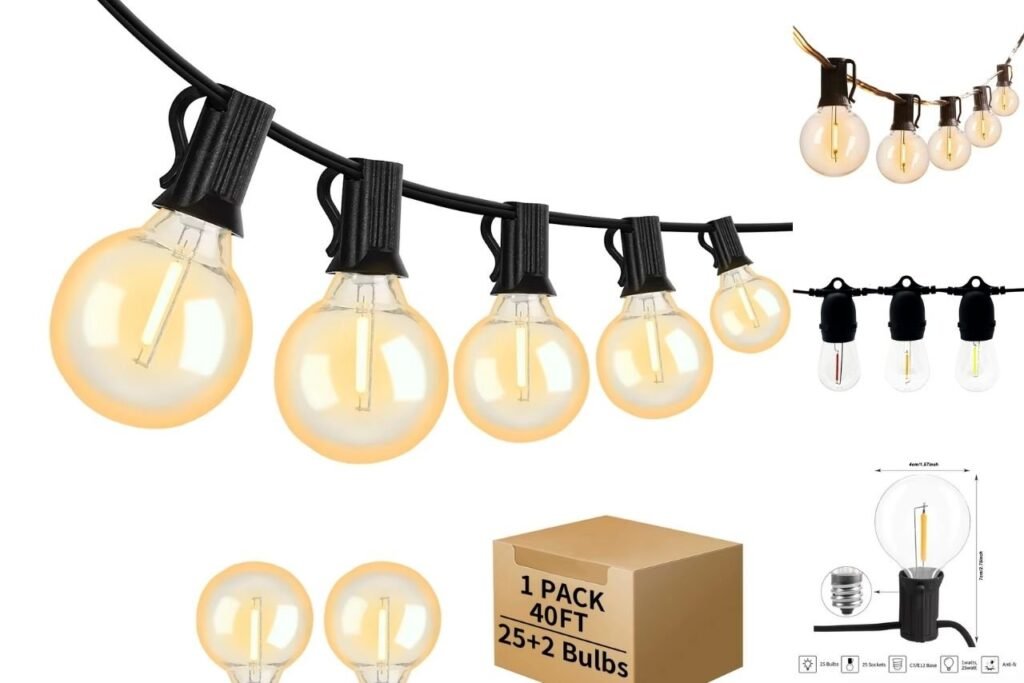
Many visitors look for ways to recreate a smaller, accessible ¡°garden of lights¡± experience at home¡ªespecially via solar accents and low-voltage decorative products. For category examples of decorative outdoor products, SHINEU¡¯s site lists: Garden Lights (98 results shown) and Solar Garden Light (62 results shown).
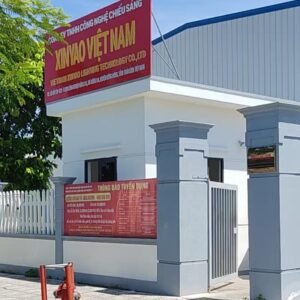
SHINEU describes itself as a holiday and seasonal decorative lighting manufacturer founded in 2009 with design, development, manufacturing, processing, and supply chain services, with a 5,000-square-meter Vietnam facility serving the US, UK, and German markets and products certified by UL, CUL, CE, and GS. (See: Garden Lights manufacturer and Garden Lights Factory.)
If the goal is accessibility at home (rather than maximum brightness), consider prioritizing: consistent pathway illumination, glare control (diffusers/shields), and avoiding sharp color cycling near walking routes¡ªthese choices often improve comfort for low-vision and sensory-sensitive users.
FAQ
What makes a garden light event ¡°accessible¡± in practice?
Practical accessibility usually means visitors can navigate the main viewing route with minimal steps, manageable grades, and enough space to pause or pass safely, plus access to restrooms and rest areas without excessive detours.
Should visitors using wheelchairs avoid peak hours?
Often, yes. Peak crowd density increases bottlenecks and reduces maneuvering room. Earlier entry windows typically improve comfort and independence, especially for groups that need frequent stops.
How can families support a sensory-sensitive child at Garden of Lights?
Choose a lower-crowd time, keep the route shorter, plan quiet ¡°reset¡± stops, and set a predictable goal (e.g., ¡°three big displays then leave¡±). Side viewing helps avoid the loudest, brightest center areas.
What¡¯s the most important packing item for accessibility?
Warm, grippy gloves are surprisingly high-impact for caregivers pushing wheelchairs or strollers, especially in cold weather. After that, layers and a snack/water routine reduce early exits.
How can low-vision visitors reduce trip hazards at night displays?
Slow the pace, avoid glare-heavy wet surfaces when possible, walk near consistent ambient light, and stay with a companion. Choosing shorter routes reduces fatigue-related missteps.
Is it okay to leave early?
Yes. For accessibility-focused outings, leaving early is often the optimal outcome if it prevents pain flare-ups, sensory overload, or unsafe navigation. A short, comfortable experience is better than a long, difficult one.
Citations & outbound references
SHINEU references (provided content): Garden Lights, Solar Garden Light, Home, About. Additional general references commonly used when researching outdoor lighting and visitor planning include: RHS, The Spruce, Home Depot, Lowe¡¯s, BobVila, and broad consumer marketplaces such as Amazon. Event-specific accessibility policies (routes, closures, device rules) should be verified on Brookside Gardens¡¯ official pages before travel.