For savvy homeowners and professional landscapers, the true value of an outdoor lighting system isn’t measured by its initial glow, but by its operational longevity. In the rapidly advancing landscape of 2026, evaluating the lifespan of a solar powered garden light has become a technical discipline that requires understanding the intersection of battery cycle life, photovoltaic degradation, and structural resilience. While entry-level consumer lights are often perceived as disposable, professional-grade systems are now engineered to serve as decade-long infrastructure assets, rivaling the durability of traditional hardwired alternatives.
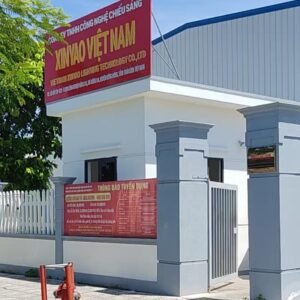
As a premier Garden Lights manufacturer, ShineU Lighting (Huizhou Xinyao Lighting Technology Co., Ltd.) has dedicated over 15 years to pushing the boundaries of solar durability. Operating from our ISO9001 certified Garden Lights Factory, we manufacture systems that meet global safety standards including UL, CE, and GS. Our 2026 data shows that by transitioning to LiFePO4 battery chemistry and monocrystalline silicon, the modern Solar Garden Light can now achieve a service life of 5 to 10 years with minimal maintenance. This guide provides an analytical framework to help you assess the real-world lifespan of your solar investments.
The Three Pillars of Solar Longevity
The best solar powered light for garden utility is essentially a micro-power plant. Its failure is rarely caused by the LED itself, which is typically rated for 50,000 hours. Instead, the “death” of a solar light is usually traced to one of three critical components: the energy reservoir, the light-harvesting surface, or the protective housing.
1. Battery Cycle Life: The 2026 Standard
The battery is the most time-sensitive component. In 2026, the industry has shifted away from Ni-MH (Nickel-Metal Hydride) toward Lithium Iron Phosphate (LiFePO4). Unlike older chemistries that degrade after 300-500 cycles, LiFePO4 batteries in professional Garden Lights can withstand 2,000 to 3,500 full charge-discharge cycles. This translates to approximately 8-10 years of nightly operation before the capacity drops below 80%.
2. Photovoltaic Degradation: Monocrystalline Resilience
Solar panels undergo a natural “efficiency fade” due to UV exposure and thermal stress. High-grade monocrystalline silicon panels used by the ShineU Garden Lights Factory typically degrade at a rate of only 0.5% per year. This ensures that after a decade, the panel still operates at 95% of its original capacity, providing ample power even during the shorter days of winter.
3. Ingress Protection (IP) and Material Corrosion
The lifespan is often cut short by environmental ingress. An IP44 rating is sufficient for decorative strings, but for fixtures placed in lawn beds or near sprinklers, an IP65 rating is the benchmark. This ensures the internal circuitry is sealed against high-pressure water and fine dust, preventing the premature corrosion of the PCBA (Printed Circuit Board Assembly).
| Component | Average Lifespan | Primary Failure Mode | 2026 Upgrade Solution |
|---|---|---|---|
| LED Engine | 15 ¨C 25 Years | Lumen Depreciation | High-Efficacy SMD Chips |
| Solar Panel | 20 ¨C 30 Years | UV Delamination | Tempered Glass Mono-Si |
| LiFePO4 Battery | 8 ¨C 10 Years | Chemical Depletion | Replaceable Cell Design |
| Casing (Metal) | 10 ¨C 15 Years | Oxidation / Rusting | Marine-Grade Aluminum |
Environmental Stressors: Assessing Your Yard¡¯s “Corrosion Profile”
The best solar powered light for garden use will perform differently depending on its geographical context. Evaluating lifespan requires looking at your specific environment:
- Coastal Zones: Salt spray is highly corrosive. ShineU¡¯s Solar Metal Lights utilize specialized powder coatings and stainless steel fasteners to ensure 10+ years of structural integrity.
- High-Heat Regions: Intense thermal stress can age batteries prematurely. Modern controllers include Thermal Cut-off Protection to pause charging if the battery exceeds safe operating temperatures.
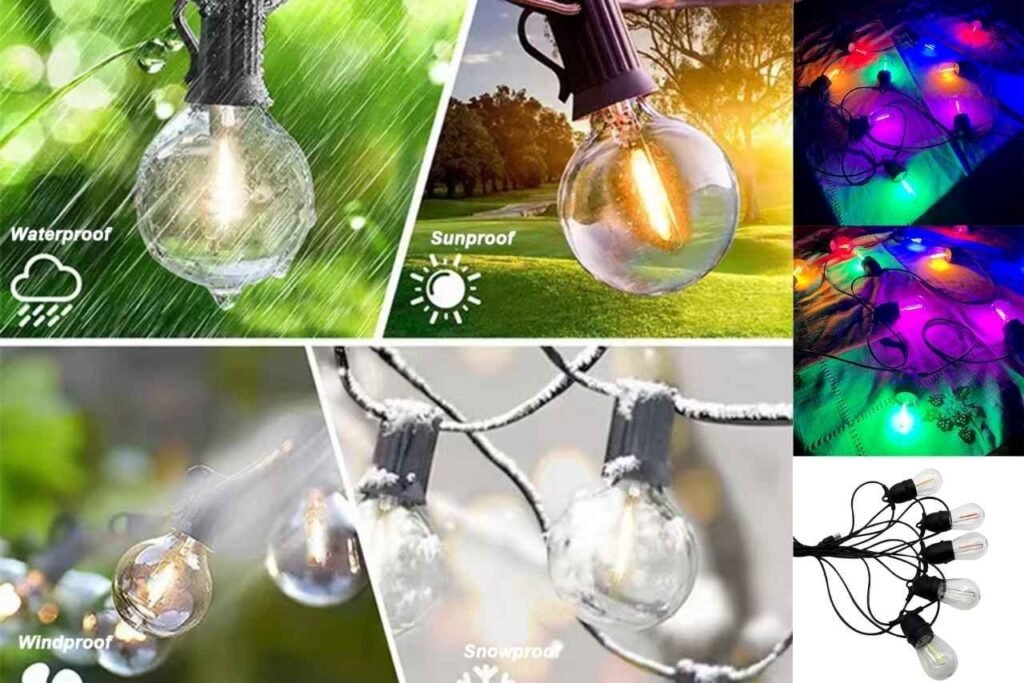
- Heavy Snow Areas: Weight loads and freezing moisture can crack plastic housings. Our injection molding process for the S14 and E17 series uses impact-resistant, cold-rated polymers to prevent brittle fractures.
Maintenance: The Key to Extending System Life
Evaluating the lifespan is not a passive activity; the TCO (Total Cost of Ownership) is significantly reduced through simple maintenance. As documented in our technical manuals at the ShineU Garden Lights Factory, periodic care can extend a fixture’s life by up to 30%.
- Panel Cleaning: Dust and pollen accumulation can cause “hot spots” on the solar cells, accelerating degradation. A damp cloth wipe every 3 months maintains optimal photon absorption.
- USB Hybrid Utilization: During deep winter, using the USB charging port prevents the battery from sitting in a “deeply discharged” state for weeks, which is the primary cause of early lithium cell death.
- Terminal Inspection: Checking for moisture or loose connections once a year ensures the 3V-4.5V low-voltage system maintains high conductivity.
Lifespan & Reliability FAQ
1. Can the battery in a ShineU solar light be replaced?
Yes. Unlike disposable retail lights, our professional Solar Garden Light series is designed with accessibility in mind. Replacing the LiFePO4 cell after 8 years can reset the lifespan for another decade of use.
2. Does the 6-8 hour work time decrease as the light gets older?
Minor depreciation is normal. However, by using high-efficiency monocrystalline panels and smart controllers, the runtime typically remains within 90% of its original spec for the first 5 years.
3. Are solar lights durable enough to leave out in the snow?
Fixtures with an IP65 rating and a tempered glass panel are fully rated for snow. The primary concern is ensuring the panel isn’t covered for long periods, which prevents charging and can lead to battery “sleep” mode.
4. Why do some solar lights turn yellow over time?
This is due to UV degradation of cheap plastics. ShineU uses UV-stabilized PC (Polycarbonate) and PET coatings that resist yellowing and maintain optical clarity for 10+ years.
5. Does ShineU offer a warranty on its industrial garden lights?
As an ISO9001 certified Garden Lights manufacturer, we stand by our engineering. We offer comprehensive warranties that cover manufacturing defects, ensuring our global B2B partners and retail customers are protected.
Expert References & Technical Data
- ShineU Lighting (Huizhou Xinyao): 15-Year Manufacturing Excellence and ISO9001 Compliance
- Access Fixtures: Technical Advantages of LiFePO4 in Solar Infrastructure Longevity
- U.S. Department of Energy: Guidelines for Maintaining and Replacing Outdoor Solar Components
- National Renewable Energy Laboratory (NREL): Photovoltaic System Lifetime and Degradation Rates