When engineering a modern outdoor space, the decision between Garden Lights solar power vs. hardwired systems often determines the project’s long-term viability and maintenance footprint. For years, the industry consensus was that hardwired systems provided the only reliable “professional” glow, while solar was relegated to decorative afterthoughts. However, as we enter 2026, breakthroughs in high-efficiency monocrystalline PV cells and LiFePO4 battery integration have narrowed the performance gap, making the “Solar vs. Electric” debate a question of infrastructure rather than just brightness. To make an informed decision, homeowners must analyze the Total Cost of Ownership (TCO), installation complexity, and the specific lighting objectives of their landscape.
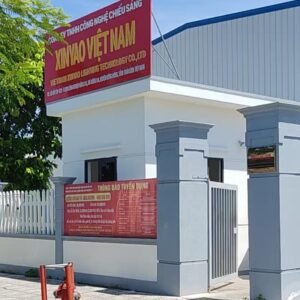
As a globally recognized Garden Lights manufacturer, ShineU Lighting (Huizhou Xinyao Lighting Technology) specializes in both advanced solar-integrated systems and low-voltage electrical solutions. Operating from our Garden Lights Factory with ISO9001 certification, we serve North American and European markets with products that meet UL, CE, and GS standards. This comparison breaks down the technical and financial variables of both power sources to help you select the most efficient infrastructure for your yard.
I. Installation Infrastructure: Trenching vs. Plug-and-Place
The most immediate differentiator in the Garden Lights solar power vs. hardwired comparison is the labor required for deployment. Hardwired systems (typically 12V low-voltage) require a central transformer, specialized direct-burial cable, and significant trenching through existing turf or hardscapes. This often necessitates professional electrical labor and, in some jurisdictions, municipal permits.
Conversely, a Solar Garden Light is a fully autonomous unit. There are no cables to bury and no transformers to hide. This “off-grid” nature allows for immediate deployment in remote garden corners or across water features where running electrical conduit would be cost-prohibitive. For 2026 projects, solar offers a “Zero-Disturbance” installation, preserving the integrity of established root systems and expensive masonry.
II. Performance Metrics: Reliability, Lumens, and Control
While solar excels in simplicity, hardwired systems have historically dominated in consistent lumen output. Since they draw power directly from the grid, hardwired LEDs maintain 100% brightness regardless of weather conditions or the time of year. For security-critical zones like gate entrances or steep stone stairs, the unwavering reliability of a wired system remains a significant advantage.
| Feature | Solar Powered (2026 Tech) | Hardwired Low-Voltage |
|---|---|---|
| Energy Cost | $0.00 (Renewable) | ~$1 – $5 / month (Grid) |
| Brightness Stability | Weather Dependent | 100% Constant |
| Installation Time | Minutes (DIY) | Hours/Days (Professional) |
| Smart Control | Dusk-to-Dawn / Motion | Timers / Apps / Dimmers |
However, modern solar engineering has introduced Hybrid Charging and Energy Management Systems (EMS). As highlighted in our ShineU USB & Solar Powered series, fixtures can now be manually “boosted” via USB during prolonged overcast periods, providing 6-8 hours of runtime even in winter. This innovation effectively mitigates the primary “reliability” argument against solar, making it a viable primary lighting source for modern yards.
III. Long-Term Maintenance: Batteries vs. Cable Integrity
Maintenance profiles for Garden Lights solar power vs. hardwired differ significantly in nature. For solar systems, the primary maintenance task is battery replacement. Professional-grade LiFePO4 batteries typically require swapping every 5 to 8 years. Additionally, the solar panels require periodic cleaning with a damp cloth to remove pollen and dust, which can degrade charging efficiency by up to 30% if neglected.
Hardwired systems face different challenges. While they don’t have batteries, they are susceptible to cable damage from gardening tools, soil movement, or rodents. Troubleshooting a severed underground wire can be labor-intensive and expensive. Furthermore, hardwired systems rely on a transformer, which is a common failure point that may require replacement after 10¨C15 years of continuous outdoor use.
IV. Financial Breakdown: The TCO Perspective
The best solar powered light for garden applications often carries a higher upfront unit price than a basic wired fixture because it includes a built-in panel and battery. However, when you factor in the “hidden” costs of hardwired systems¡ªtransformer ($200-$400), direct-burial cable ($1.50/ft), and professional trenching labor ($500-$2,000)¡ªthe solar option often yields a lower Initial Capital Expenditure (CapEx).
From an Operational Expenditure (OpEx) standpoint, solar is the undisputed winner. It operates at zero energy cost for its entire lifespan. Even with the cost of a replacement battery every few years, the 10-year TCO for a 20-light solar installation is often 25% to 40% lower than a comparable hardwired LED system, particularly in regions with high electricity rates.
Garden Power Comparison FAQ
1. Can I mix solar and hardwired lights in the same yard?
Yes, and this is the recommended “Hybrid Strategy.” Use hardwired lights for security and high-traffic pathways and use Garden Lights solar fixtures for remote accents, trees, and flower beds where wiring is impractical.
2. Do hardwired lights last longer than solar lights?
High-quality hardwired fixtures made of marine-grade aluminum can last 20+ years. Solar fixtures are slightly more limited by battery life, but a premium Solar Garden Light with a replaceable battery and monocrystalline panel can easily provide 10-15 years of service.
3. Are solar lights safe for pets and children?
Solar lights are extremely safe because they operate at very low voltages (3V-5V) and have no external wires. Hardwired systems use 12V, which is also safe, but exposed or severed wires can still pose a minor risk if not managed correctly.
4. Why should I choose a manufacturer over a retail brand?
Buying from a Garden Lights Factory like ShineU ensures you receive industrial-grade specs (like LiFePO4 batteries and IP65 ratings) that are often missing from “big-box” retail solar lights, which frequently use cheaper Ni-MH batteries and IP44 housings.
References & Technical Data Sources
- Access Fixtures: Total Cost of Ownership (TCO) Calculator – Solar vs. Low Voltage
- ShineU Lighting: ISO9001 Manufacturing Excellence and Global Safety Compliance
- Gardeners’ World: The best solar lights in 2026, as tested by our reviews experts
- Premier Ponds: Solar vs. Wired Landscape Lights – Which Is Best For Your Home Exterior?