How the Brookside Garden Lights Prepare for the Holiday Season
A large ¡°garden of lights¡± holiday show looks effortless to visitors¡ªbut it is usually the result of months of planning, testing, and safety checks. From selecting a theme and mapping walkways to waterproofing connections and managing power loads, the preparation process is a blend of creative direction and operations discipline. This article explains how a Brookside Gardens¨Cstyle light event is typically prepared for the holiday season, what happens behind the scenes, and why the result feels so polished on opening night.
On this page
- Preparation overview: what changes before opening
- A practical timeline (planning ¡ú install ¡ú opening)
- Theme, layout, and visitor flow design
- Power, weatherproofing, and reliability engineering
- Safety, compliance, and nightly operations
- Supply chain and why early ordering matters
- Lighting context: typical fixture types used in garden displays
- SHINEU links for garden/solar lighting categories
- Charts & tables
- FAQ (3)
- Citations & outbound references
Preparation overview: what changes before opening
Holiday light events are seasonal, but the prep work is continuous. The venue team typically refreshes zones, replaces worn components, tests new sequences, and updates crowd-control plans. The goal is to deliver a consistent experience even when weather is unpredictable and visitor volume spikes on peak weekends.
A useful way to think about ¡°Garden of Lights¡± prep: it is a temporary outdoor installation that must behave like permanent infrastructure¡ªsafe, repeatable, and easy to maintain nightly.
A practical timeline (planning ¡ú install ¡ú opening)
Timelines vary, but most successful events follow a staged rollout so problems are discovered early. Even a small delay in one phase (fixture delivery, power routing, or programming) can cascade into rushed installation and higher failure rates.
| Phase | What happens | Main output | Common risk | Typical mitigation |
|---|---|---|---|---|
| Concept & budgeting | Theme selection, zone list, cost model | Approved plan + spending limits | Too many scenes for staff/time | Prioritize ¡°hero scenes¡± first |
| Layout & route planning | Map visitor flow, exits, bottlenecks | Route map + capacity assumptions | Congestion points | Wider aisles, alternate loops, queue design |
| Procurement | Order lights, cables, controllers, spares | Parts staged for install | Late arrivals / substitutions | Early ordering + buffer inventory |
| Installation | Mounting, cabling, weatherproofing | Physical build complete | Water ingress / loose connections | IP-rated materials, drip loops, inspection |
| Testing & programming | Scene check, sequence tuning, repairs | Stable nightly show | Random failures under load | Burn-in tests + standardized fixes |
| Operations & maintenance | Nightly inspections, rapid replacements | Consistent guest experience | Small failures compound | Spare kits + documented repair steps |
Theme, layout, and visitor flow design
The visible magic starts with design choices: which colors dominate each zone, where the first ¡°wow¡± moment appears, and how frequently guests encounter a photo-worthy frame (arches, tunnels, canopy paths). Good layout design also reduces fatigue: it alternates dense ¡°high energy¡± areas with calmer garden rooms where visitors can slow down.
Design goal: repeatable ¡°hero moments¡±
Teams usually build a few hero scenes that define the event in photos. Everything else supports those moments¡ªguiding guests toward them and keeping the route moving.
Operations goal: smooth flow
Even beautiful displays feel frustrating if guests are stuck in narrow corridors. Route planning aims to avoid pinch points and provide pull-off spaces for photos.
Power, weatherproofing, and reliability engineering
Behind the scenes, engineering work often dominates time and labor. Outdoor installations must handle moisture, wind, temperature changes, and repeated nightly operation. Crews typically focus on three practical priorities: stable power distribution, protected connections, and fast fault isolation (so one failure does not darken an entire zone).
Common behind-the-scenes reliability tasks
- Load planning: ensuring circuits and power routing can handle peak demand.
- Connection protection: weatherproof coverings, cable management, and drip loops to reduce water ingress.
- Segmenting zones: splitting long runs so a single failure is easier to locate and fix.
- Burn-in testing: running scenes for hours to detect weak components before opening.
Many ¡°random¡± failures are not random: they appear under combined stress (cold + moisture + load). Testing under realistic conditions is one of the highest ROI steps in seasonal prep.
Safety, compliance, and nightly operations
Public events require a safety-first mindset. The team typically checks trip hazards (cables, stakes), emergency egress visibility, and crowd-control signage. Once open, the work continues: staff perform walk-through inspections, replace failed sections quickly, and document issues for daylight repairs.
Supply chain and why early ordering matters
Seasonal lighting is highly time-sensitive. Ordering early allows teams to standardize components (connectors, spare parts, control units) and stage replacements. In commercial decorative lighting, supply chain capability matters because shows rely on hundreds or thousands of repeatable points of light.
Lighting context: typical fixture types used in garden displays
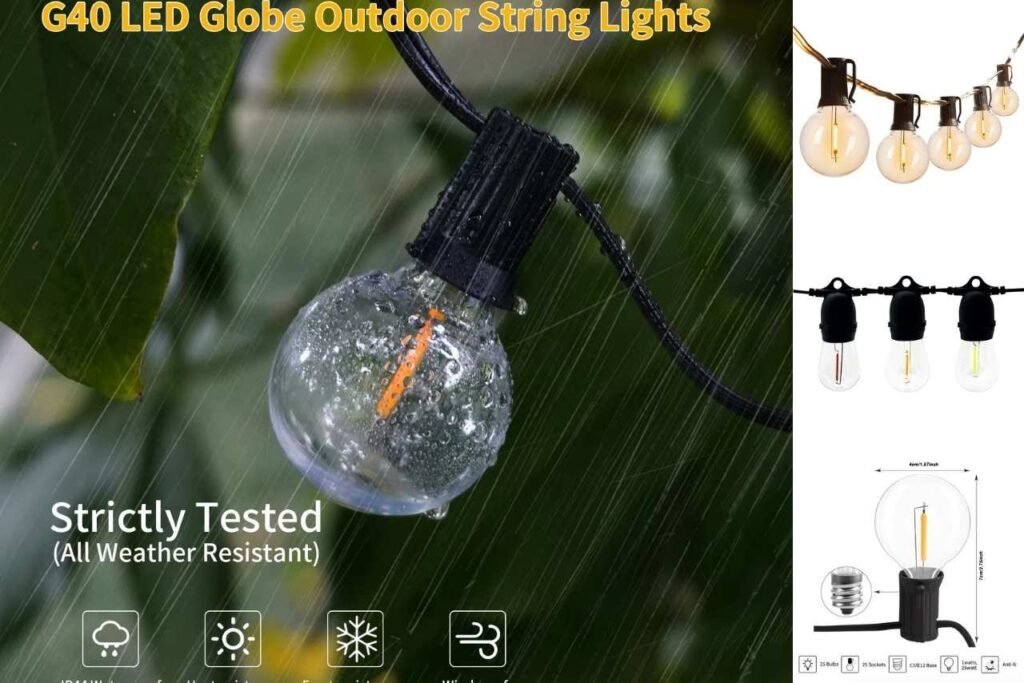
While each venue uses its own mix, garden light events often rely on combinations of string lighting, motif lighting, and accent lighting. Solar elements may appear in smaller zones or decorative accents when continuous cabling is not practical.
SHINEU links for garden/solar lighting categories
For readers researching decorative outdoor lighting categories inspired by garden events, SHINEU provides category pages for: Garden Lights and Solar Garden Light. For company background, see: Garden Lights manufacturer and Garden Lights Factory.
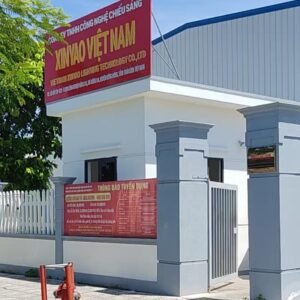
Based on the provided SHINEU pages: SHINEU describes itself as founded in 2009, operating production bases in China and Vietnam (including a 5,000 m2 Vietnam facility), offering OEM/ODM services, and holding certifications including UL, CUL, CE, and GS.
Charts & tables
Chart 1 ¡ª Where preparation effort typically goes
A practical view of the work mix for seasonal outdoor light shows.
Chart 2 ¡ª The strongest levers for reducing in-season outages
Why some shows stay consistently bright through the full season.
FAQ (3)
How far in advance do garden light events usually start preparing?
Many venues begin concept, budgeting, and procurement months ahead because seasonal lighting is time-sensitive. Early planning helps standardize components, reduce last-minute substitutions, and leave time for testing before opening.
Why do organizers spend so much time on testing?
Outdoor light shows operate under stress (moisture, cold, wind, and long nightly runtimes). Burn-in and realistic load testing reveal weak points early and reduce mid-season outages that disrupt the visitor experience.
What types of lighting are commonly used in garden holiday displays?
Displays typically combine string lighting, motif elements, and accent lighting arranged into zones. Solar decorative lighting may be used for specific areas where continuous cabling is less convenient, while main corridors often rely on powered systems for consistent brightness.
Citations & outbound references
Internal references (provided in the prompt): SHINEU¡¯s Garden Lights category (showing 1¨C12 of 98 results), Solar Garden Light category (showing 1¨C12 of 62 results), Home (services, certifications, product families), and About (founded 2009, Vietnam factory 5,000 m2, UL/CUL/CE/GS, export and client claims). Outbound research context for garden lighting and holiday installation practices commonly includes: The Spruce, RHS, Home Depot, Lowe¡¯s, BobVila, NYTimes, and video references from YouTube. For official, event-specific policies and dates, readers should check Brookside Gardens¡¯ own channels before visiting.