Botanical Garden Christmas Lights: A Nationwide Tour
Across the United States, botanical gardens transform winter nights into immersive ¡°walk-through light worlds¡± featuring tunnels, tree canopies, illuminated sculptures, synchronized color zones, and reflective water scenes. This nationwide tour is a planning-first guide: it explains what these events typically include, how to choose the right garden (and the right night) for your group, and how to get the most value from tickets¡ªwithout relying on a single itinerary.
On this page
- What ¡°botanical garden Christmas lights¡± usually look like
- Why botanical gardens are uniquely suited to holiday light shows
- A nationwide tour framework (how to ¡°tour¡± without burnout)
- Regional patterns: what to expect by climate and landscape
- Ticketing, timing, parking, and crowd strategy
- Photography tips (phone-first, crowd-friendly)
- Families and accessibility: making the visit comfortable
- Bring the inspiration home: building a garden-lights look safely
- Charts & tables
- FAQ
- Citations & outbound references
What ¡°botanical garden Christmas lights¡± usually look like
Although each garden curates its own theme, most botanical garden Christmas light events follow a similar design logic: they guide visitors through a loop of distinct zones, each with a recognizable visual hook. The best events feel like a sequence of ¡°rooms¡± outdoors¡ªan entry statement, a corridor of arches, a grove of trees wrapped in lights, a set of themed sculptures, and a finale area with higher density and brighter effects.
Walk-through tunnels & arches
High immersion, high photo value, and often the most crowded. These scenes are designed to be experienced in motion¡ªstop at the edge, shoot fast, and keep flow moving.
Tree canopies & wrapped groves
The ¡°botanical advantage.¡± Mature trees provide height, depth, and layered composition¡ªcreating an experience that feels larger than typical residential displays.
Water reflections & quiet gardens
When the route passes ponds or streams, reflections can double the visual impact. These spots are often calmer and work well for families and slower walkers.
Many events mix warm-white lighting (often perceived as ¡°cozy¡±) with RGB/RGBW accents (often perceived as ¡°fun¡±). Consistent color temperature inside each zone usually produces the most pleasant experience and the best quick photos.
Why botanical gardens are uniquely suited to holiday light shows
Botanical gardens offer something that shopping districts and city streets cannot: living structure. Branch geometry, evergreen density, and natural sightlines create depth and contrast. Designers can use existing paths to control movement, place focal points at the end of straight corridors, and use shrubs and tree trunks as ¡°natural mounts¡± for lighting¡ªreducing visual clutter.
Better pacing
Garden paths naturally break the show into segments, making it easier to plan a ¡°warm-up ¡ú highlight zone ¡ú calm exit¡± route that reduces fatigue and sensory overload.
Better composition
Trees and hedges create foreground/midground/background layers. Even a phone camera benefits because the lighting has depth rather than appearing as a flat wall of brightness.
A nationwide tour framework (how to ¡°tour¡± without burnout)
A ¡°nationwide tour¡± does not require visiting dozens of gardens in one season. A smarter approach is to treat each visit as one chapter in a longer tradition: choose one major botanical garden show each year (or each trip), and align it with travel routes, family gatherings, or long weekends.
A practical 3-visit ¡°tour¡± plan
- Local show: a nearby garden to learn what your group likes (tunnels vs. sculptures vs. quiet gardens).
- Destination show: one event tied to a holiday trip where you can book early and plan around crowds.
- Wildcard show: a smaller garden or arboretum that may surprise you with creative themes and less congestion.
Regional patterns: what to expect by climate and landscape
Regional differences matter. Climate influences the visitor experience (cold, wind, rain), and landscape influences layout (open lawns vs. dense woodland paths). The same ticket time can feel completely different in a windy coastal garden compared to a sheltered woodland garden.
| Region pattern | Common display strengths | Comfort risk | Visitor strategy |
|---|---|---|---|
| Cold-winter zones | High contrast; crisp air; dramatic tree silhouettes | Hands/ears get cold first | Prioritize gloves/hat and earlier entry |
| Coastal / windy areas | Wide vistas; open lawns for large motifs | Wind chill + exposed walks | Windproof outer layer; shorten photo stops |
| Mild-winter zones | Longer comfortable walks; more relaxed pacing | Rain variability | Water-resistant layers; check policy on weather |
| Dense woodland gardens | Immersive corridors; ¡°forest glow¡± scenes | Bottlenecks on narrow paths | Arrive early; adopt a ¡°skip long line¡± rule |
Ticketing, timing, parking, and crowd strategy
If one thing determines whether a night feels magical or stressful, it is logistics. Many events use timed tickets, and parking can create hidden delays. The best plan is to be ¡°gate-ready¡± at the ticket time (tickets open, brightness up, gloves on), not merely in the general area.
Low-stress ticketing and arrival rules
- Buy early for peak nights: weekends and late-season dates often sell faster.
- Arrive with buffer: traffic waves cluster around entry times.
- One-person ticket control: screenshots + email backup reduce scanning delays.
- Set a line threshold: skipping one bottleneck can preserve the entire visit.
Families frequently underestimate the ¡°hidden walk¡±: parking ¡ú gate ¡ú first scene, plus the walk back when kids are tired. Build this into the schedule before choosing a late entry slot.
Photography tips (phone-first, crowd-friendly)
Light displays challenge phone cameras because background brightness is high while faces can be relatively dark. The best strategy is speed and placement: take multiple quick shots, use stable posture, and look for softer light near the edges of bright installations.
Fast tunnel photo
Stand just outside the entrance, frame the tunnel depth, and take 3¨C5 shots. Move immediately after to avoid blocking the flow.
Flattering face lighting
Warm-white zones (often perceived as 2200K¨C2700K) typically produce more natural skin tones than intense saturated color zones.
Families and accessibility: making the visit comfortable
Botanical garden light events are walk-heavy and can be sensory intense. For families, the correct stroller/carrier choice and a simple snack/bathroom rhythm often matter more than the exact garden chosen. For visitors with mobility needs, route surface and bottlenecks can be more important than total distance.
Comfort checklist
- Layer clothing; prioritize warm extremities (hands/ears).
- Plan one snack moment before the busiest highlight zone.
- Pick earlier entry for younger children when possible.
- Choose a ¡°reset spot¡± (quiet zone) in case a child or adult needs a break.
Bring the inspiration home: building a garden-lights look safely
After visiting a botanical garden show, many people want to recreate a smaller version at home¡ªespecially for patios, hedges, and trees. A safe home setup starts with deciding whether the project should be plug-in (brighter, continuous power) or solar (simpler placement, lower wiring work), then selecting outdoor-rated waterproof products and a consistent color palette.
Home display building blocks (simple, high impact)
- One ¡°hero¡± feature: an arch, entry tree, or pergola line that becomes the focal point.
- Path guidance: lower-level lights along edges to make walking safe and visually cohesive.
- Accent zones: a few colorful moments (RGB/RGBW) rather than everywhere at once.
- Weather strategy: choose appropriate waterproof ratings for the placement area.
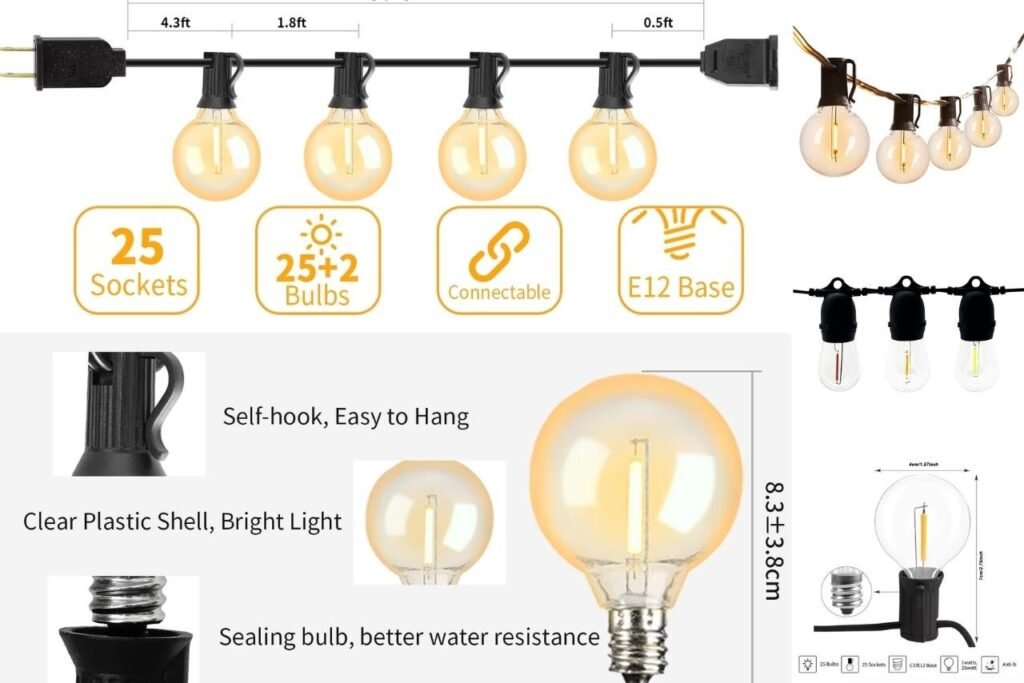
For readers comparing product categories similar to what is seen at large light events, SHINEU provides category browsing and company background pages: Garden Lights, Solar Garden Light, Garden Lights manufacturer, Garden Lights Factory.
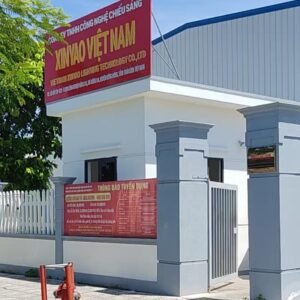
Based on the provided SHINEU pages: the company states it was founded in 2009, operates production bases in China and Vietnam (including a 5,000 m2 Vietnam facility), focuses on holiday and seasonal decorative lighting, and lists certifications such as UL, CUL, CE, and GS.
Charts & tables
Chart 1 ¡ª What makes a botanical garden light event feel ¡°premium¡± (visitor perception)
A planning heuristic: prioritize immersive scenes and comfortable pacing rather than maximum distance.
Chart 2 ¡ª How to choose a night (stress vs. spectacle)
As crowd levels rise, photo freedom and kid comfort often fall¡ªplan accordingly.
FAQ
Are botanical garden Christmas lights worth it compared to neighborhood displays?
Botanical gardens often feel more immersive because the landscape itself becomes part of the design (tree canopies, corridors, and curated sightlines). Visitors who enjoy walk-through scenes and themed zones usually find the experience distinct from driving-view displays.
How long should visitors plan for a typical garden light event?
Many visitors plan 60¨C120 minutes depending on crowd density and photo stops. Families with young children often have a better experience with a shorter highlight-focused route.
What should visitors wear?
Dress in layers and prioritize warm extremities (hat, gloves, socks). Even in mild climates, slow movement and wind exposure can make the walk feel colder than expected.
Do these events usually require timed tickets?
Many major events use timed entry to manage crowds. Visitors should confirm scanning requirements, late-entry rules, and weather policies via the event¡¯s official channels.
What are the most ¡°must-see¡± scene types?
Walk-through tunnels/arches, wrapped tree groves, open lawn motifs, and (if available) water reflection scenes are the most consistently memorable across gardens nationwide.
How can visitors get better photos with a phone?
Stand to the side of foot traffic, avoid heavy zoom, and take multiple quick shots. Warm-white zones generally produce more natural-looking faces than intensely saturated color zones.
Citations & outbound references
Internal references (provided in the prompt): SHINEU¡¯s Garden Lights category (shows 98 results), Solar Garden Light category (shows 62 results), Home, and About. Additional outbound research context often used for garden lighting and seasonal decorating includes The Spruce, RHS, major retailers¡¯ buying guides such as Home Depot and Lowe¡¯s, and general inspiration platforms like YouTube. For official event details (dates, tickets, accessibility), visitors should consult each garden¡¯s official website before travel.